
Heating and cooling One system for winter and summer
Air-to-Air Heat Pump Heating That Also Cools
An air-to-air heat pump warms your rooms in winter and cools them in summer, using the same split system as air conditioning. Aircova fits them in homes across London and the South East from £2,195, and each one gives about 3 to 4 kW of heat for every kW of electricity it uses.
- F-Gas certified engineers
- £2,500 grant for eligible homes
- Prices include VAT
Prices last checked: October 2026

How it works
What is an air-to-air heat pump?
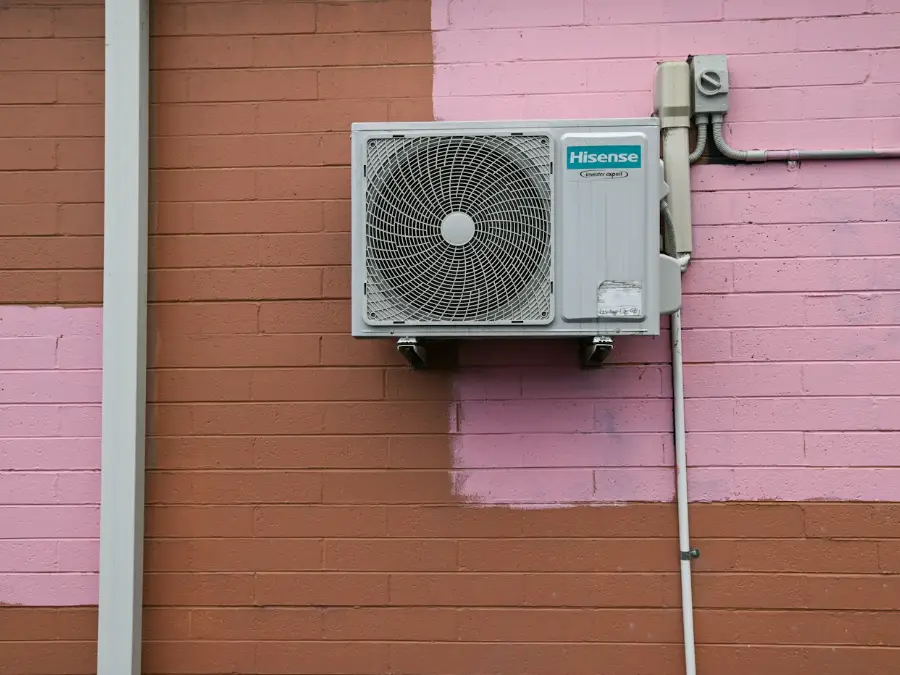
An air-to-air heat pump is a split system that takes warmth from the outside air and blows it into your rooms through an indoor unit. It is the same equipment as home air conditioning, run in reverse. Aircova fits them as one system that heats in winter and cools in summer.
That is why installers also call it reverse cycle air conditioning. A small valve inside the outdoor unit swaps the direction the refrigerant flows. In cooling mode, heat is pulled out of the room and dumped outside. In heating mode, the same pipes carry heat the other way.
The kit has three parts. An outdoor unit holds the compressor and a large coil. An indoor unit sits high on the wall, or hidden in a ceiling, and blows warm air across the room. Insulated copper pipes, a power cable and a condensate drain join the two through a 65mm hole in the wall.
How it heats, in plain words
Refrigerant boils at a very low temperature, far below freezing. That is the trick that lets it soak up warmth from cold air. Here is the heating cycle, step by step.
- Collect. Cold liquid refrigerant in the outdoor coil absorbs warmth from the outside air and turns to gas.
- Compress. The inverter compressor squeezes the gas, which makes it much hotter.
- Release. Hot gas flows to the indoor unit, where a fan blows room air across the warm coil.
- Repeat. The refrigerant cools, turns back to liquid, and returns outside to collect more heat.
The electricity runs the compressor and fans. It does not make the heat itself, it moves heat that is already outside. That is why one unit of electricity can deliver three or four units of warmth indoors.
Every unit we fit runs on R32 refrigerant, which has a lower global warming impact than the older R410A gas. Fitting and servicing any system that holds refrigerant needs an F gas qualification, as the government guidance on F gas sets out. All Aircova engineers hold it.
Efficiency
SCOP explained, and how it copes with UK winters
Heating efficiency is shown as SCOP, the seasonal coefficient of performance. It is the total heat a unit gives out across a heating season, divided by the electricity it uses. A higher number means cheaper heat.
The wall units we install from Daikin, Mitsubishi Electric and Fujitsu are rated at a SCOP of around 4. In practice that means about 3 to 4 kW of heat for every kW of electricity, depending on the weather. A plug-in fan heater, a panel heater or a storage heater turns 1 kW of electricity into just 1 kW of heat.
The labels to compare
- SCOP
- Heating efficiency over a season. Around 4 on the units we fit.
- SEER
- Cooling efficiency over a summer. Many units are rated A++.
- kW output
- How much heat the unit can give. A 3.5kW unit suits most lounges.
Heat out for each kW in
- 1 kW in, 1 kW of heat out
- Storage heaters lose heat by evening
- No cooling
- 1 kW in, 3 to 4 kW of heat out
- Heat when you need it
- Cools in summer
Does it work in a cold UK winter?
Yes. Modern inverter units keep heating well below freezing, which covers the cold snaps London and the South East get. Efficiency does drop as the outside air gets colder, because there is less warmth to collect.
On frosty mornings the outdoor coil can ice up. The unit runs a short defrost cycle every so often, and you may see a little steam rise from the outdoor unit. Heat into the room pauses for a few minutes, then carries on.
Sizing is what makes the difference in January. We size each indoor unit for heating as well as cooling, based on the room, its windows and how well it holds heat. A unit sized only for summer can struggle on the coldest days. Our BTU calculator gives a first idea, and 1kW is about 3,412 BTU/h.

Know the difference
Air-to-air vs air-to-water heat pumps
Both types take warmth from outside air. The difference is where the heat goes. An air source heat pump of the air-to-water kind heats water for radiators and a hot water cylinder. An air-to-air system heats the air in each room directly.
| Feature | Air-to-air | Air-to-water |
|---|---|---|
| How heat reaches you | Warm air from indoor units | Radiators or underfloor heating |
| Hot water for taps | No | Yes, with a cylinder |
| Cooling in summer | Yes | Not on most systems |
| Space needed indoors | Indoor unit on the wall | Cylinder cupboard, often larger radiators |
| Heat-up speed | Room warms in minutes | Slow and steady |
| £2,500 grant | Yes, if eligible | Yes, a larger amount |
What an air-to-air system will not do
We want to be clear on this. An air-to-air system does not heat your hot water, and it does not connect to radiators. It only warms the rooms that have an indoor unit.
So you still need another way to heat water. Some homes keep a gas boiler for hot water and showers, which means the grant does not apply. Others use an electric immersion heater, an electric shower or a point of use heater at the sink.
When air-to-water is the better choice
If you have a house full of radiators and a gas boiler that heats everything, an air-to-water system may suit you better. It replaces the boiler completely. It is also a bigger job, often with new radiators and a hot water cylinder.
If that is what your home needs, we will say so at the survey, rather than sell you the wrong product.
Independent advice. The Energy Saving Trust guide to air-to-air heat pumps covers the pros and cons of both types, and the options for hot water.
Electric heating upgrade
Replace storage heaters with heat pump air conditioning
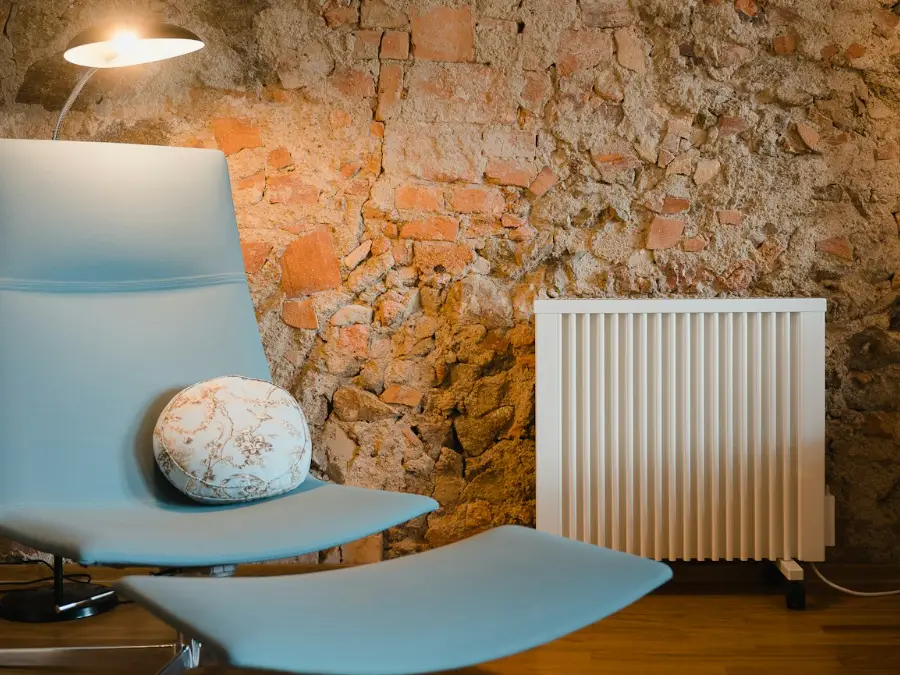
If you want to replace storage heaters or panel heaters, this is where the switch makes the biggest difference. Those heaters give 1 kW of heat per kW of electricity. A heat pump gives three to four.
Storage heaters also run on a timer. They charge overnight and are often cold by the time you get home. An indoor unit heats the room when you switch it on, from the remote or a phone app.
We take the old heaters off the wall, cap the supply safely, and fit the new indoor units in their place. Each room gets its own temperature setting. A full breakdown of bills sits in our air conditioning running costs guide.
Is it right for you
Who is air conditioning for heating best for?
Air conditioning for heating works best where rooms need warmth quickly and there is no wet central heating, or where the existing heating is expensive to run. These are the homes we see it suit most often.
Flats on electric heating
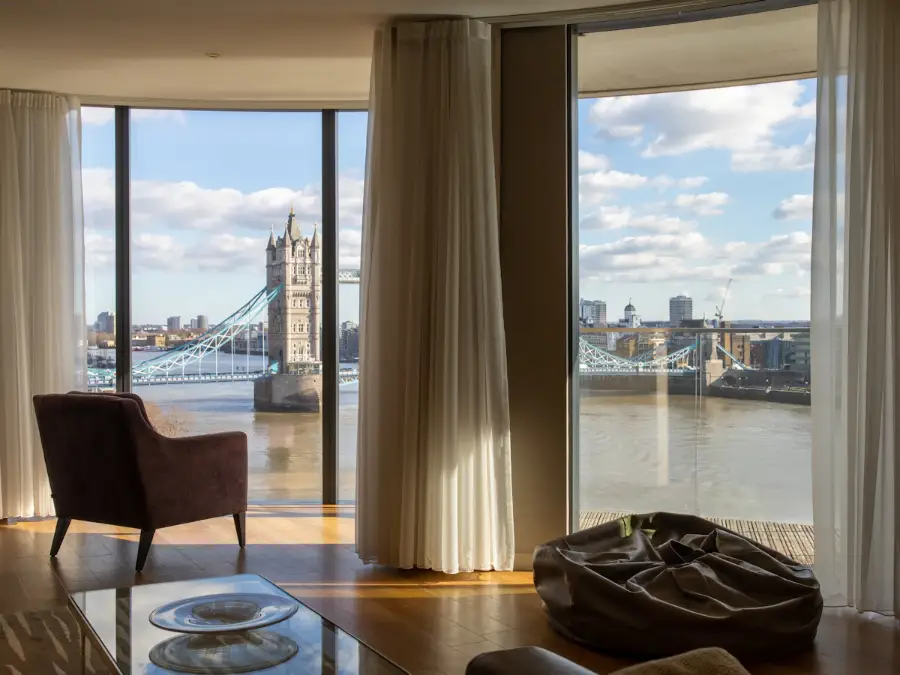
Many London flats have no gas supply at all. A wall unit replaces panel heaters, and the outdoor unit often sits on the balcony, with freeholder consent.
Air conditioning for flats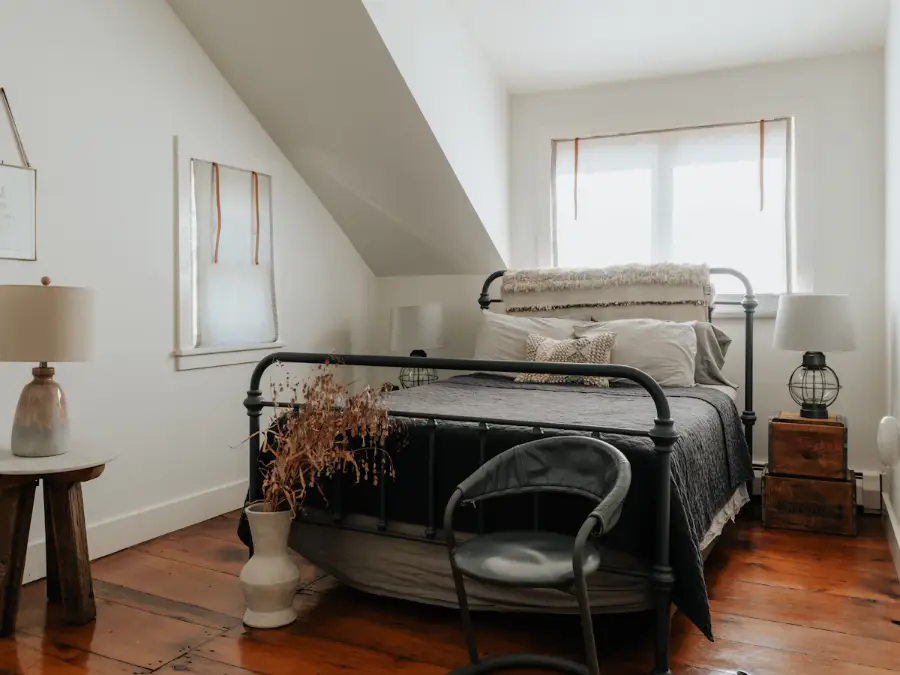
Lofts and extensions
A new loft or rear extension is often too far for the boiler to reach. One unit heats it in winter and keeps it cool under the roof in summer.
Loft air conditioning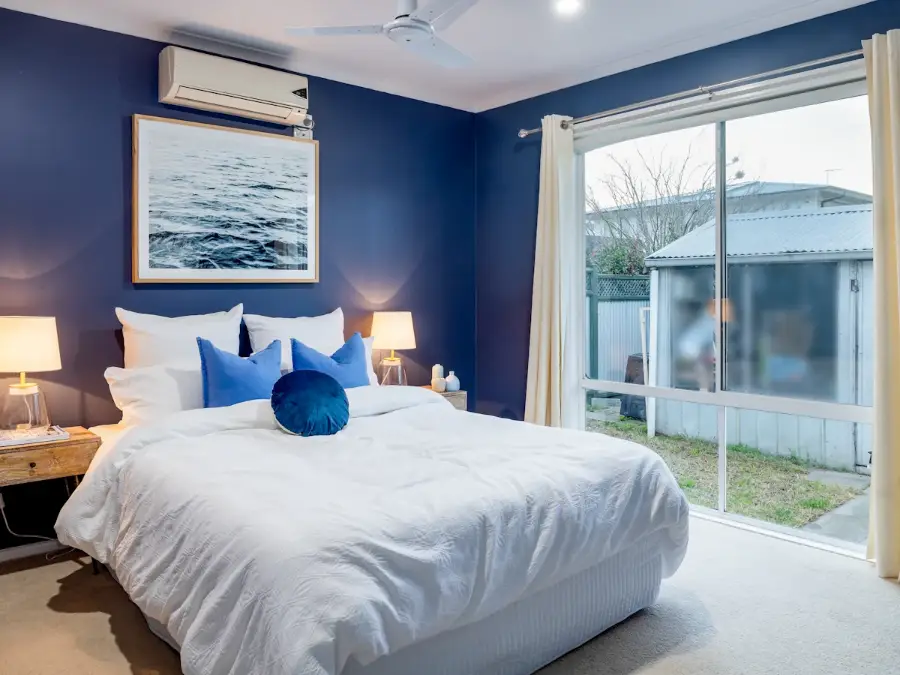
Bedrooms
Quiet modes from about 19dB on some indoor units let you warm a bedroom before bed without the hum of a fan heater.
Bedroom air conditioning- Homes heated by storage heaters, panel heaters or plug-in heaters
- Garden rooms and home offices that need heat all winter
- Houses that keep a gas boiler for hot water but want cheaper room heat (no grant in this case)
- Rooms that overheat in summer and feel cold in winter
- Older terraces where new radiator pipework would mean lifting floors
Many owners also like having one system for the whole year. Air conditioning heating and cooling from the same indoor unit means no fan heater in winter and no portable unit in summer, with nothing extra to store.
It is less of a fit as the only heating in a large, poorly insulated house with no indoor unit in some rooms. Bathrooms and hallways are usually left out, so they need another heat source. We talk this through honestly at the survey.
Grant and price
The £2,500 grant and what it costs
From 2026, the Boiler Upgrade Scheme run by Ofgem gives £2,500 off an air-to-air system in England and Wales. The heat pump has to fully replace your existing fossil fuel or electric heating and cover all of your home’s space heating, so keeping a boiler rules the grant out.
The work has to be done by an MCS certified installer, and new builds are generally not eligible. The grant is taken off your quote, so you do not pay the full price and claim it back. You can check if you qualify for the heat pump grant in a few questions.
How much does it cost?
A single room system starts from £2,195 fitted, and two rooms on a multi-split start from £3,995, both including VAT. Our page on air-to-air heat pump prices sets out the cost by room, and the price after the grant.
For every system type, size and brand, see our air conditioning cost guide. Or get an instant quote online in about two minutes.
Prices last checked: October 2026. Prices include up to 3 metres of pipe per indoor unit, a bracket, electrical connection and commissioning. Longer pipe runs, scaffolding and consumer unit upgrades are priced at the survey.

System choices
Choosing a system, fitting day and servicing
Every split system gives you air conditioning heating and cooling from one outdoor unit. The choice is about how many rooms you want to heat and how much you want on show.
Wall-mounted
Best for one room
One indoor unit linked to one outdoor unit. A 2.5kW unit suits a bedroom up to about 20m², and 3.5kW suits most lounges.
Compare sizes in our guide to wall-mounted air conditioning.
Multi-split
Best for two to five rooms
Two to five indoor units share one outdoor unit. Each room has its own control, so you only heat the rooms you use.
See how multi-split systems heat a whole floor.
Ducted
Best for renovations
The indoor unit hides in the loft or a ceiling void, and warm air comes through slim grilles. It needs about 25 to 30cm of space.
Find out when a ducted system is worth it.
How installation works
We handle the whole job, from survey to handover. Most single rooms take one day, often 5 to 7 hours. A two or three room multi-split takes two to three days.
- Survey. We measure each room, check heat loss, and plan the pipe run and outdoor unit spot.
- Written quote. You get the models, the fixed price and any grant deduction in writing.
- Fitting. We mount both units, core drill the wall and run pipe, cable and drain.
- Commissioning. A nitrogen pressure test and vacuum, then refrigerant release and full testing.
- Handover. We set up heating mode, show you the app and register your warranty.
Most single units on houses need no planning permission. Flats, listed buildings and conservation areas often need consent, so check with your council. Our planning permission guide covers the common cases.
Servicing for year-round use
A system used for heating all winter and cooling all summer works hard. A yearly service cleans the filters and coil, checks refrigerant pressure and clears the condensate drain.
Most brands ask for yearly servicing to keep the longer warranty valid, which can reach 5 years or more on some ranges. Book an air conditioning service with us each autumn, before the heating season starts.
We fit Daikin, Mitsubishi Electric, Fujitsu, Toshiba and Panasonic, with Samsung, LG and Hitachi on request. This page covers the heating side, while our main page on air conditioning installation covers cooling.

FAQs
Air-to-air heat pump questions
Is an air-to-air heat pump the same as air conditioning?
Yes, in most cases it is the same equipment. A modern split air conditioner is a heat pump that can run in either direction. In summer it moves heat out of your room, and in winter it reverses and moves heat in from outside. The term heat pump air conditioning describes exactly this. Some cheap portable units only cool, so check the spec for a heating mode and a SCOP rating.
Can an air-to-air heat pump heat a whole house?
It can, if every room you want warm has an indoor unit. A multi-split runs up to five indoor units from one outdoor unit, which covers many flats and small houses. Bathrooms and hallways are usually left out, so they need a towel rail or small heater. In larger homes, some owners use it alongside an existing boiler, without the grant.
Does an air-to-air heat pump provide hot water?
No. An air-to-air system only heats the air in your rooms. It does not heat a hot water cylinder or radiators. Some homes keep their boiler for hot water, which rules out the grant, or use an immersion heater, an electric shower or a point of use heater. If you need hot water from a heat pump, an air-to-water system is the type to look at.
Do air-to-air heat pumps work when it is below freezing?
Yes. Modern inverter units keep heating well below 0°C, which covers a normal London or South East winter. Output and efficiency fall as the air gets colder, so correct sizing matters. On frosty days the outdoor unit runs short defrost cycles, and heat pauses for a few minutes before it starts again.
Can I replace storage heaters with air conditioning?
Yes, and it is one of the best upgrades for an all-electric home. Storage heaters give 1 kW of heat for each kW of electricity, while reverse cycle air conditioning gives about 3 to 4 kW. You also get heat when you need it, not overnight. We remove the old heaters, make the supply safe and fit indoor units in the same rooms.
What does SCOP mean on a heat pump?
SCOP stands for seasonal coefficient of performance. It tells you how much heat a unit gives out over a whole heating season for each unit of electricity it uses. A SCOP of 4 means about 4 kW of heat per kW of power on average. The wall units we fit from the leading brands are rated at around 4.
Is warm air heating from a wall unit comfortable?
Yes, when the indoor unit is placed well. We fit it high on the wall and set the louvres so warm air spreads across the room, not onto your sofa or bed. Rooms warm up in minutes, much faster than radiators. Some people find the air drier than radiator heat, so a plant or small humidifier can help.
Do I need an MCS installer for an air-to-air heat pump?
You need one to claim the £2,500 Boiler Upgrade Scheme grant, as the scheme only pays through MCS certified installers. Separately, anyone fitting a system that holds refrigerant must hold an F gas qualification. We check grant eligibility at the survey and show the deduction on your written quote.
Can I have a heat pump fitted in a flat?
Usually, yes. Most flats need written consent from the freeholder or managing agent before an outdoor unit goes on the building. A balcony is often the best place for it. We supply the spec sheet, noise figures and a marked up photo to send with your request, and we fit once consent is in.
Get your fixed price
Tell us which rooms you want to heat and cool, and how they are heated now. We will call you with a fixed price and check if the £2,500 grant applies. No pressure and no obligation.
- Reply within one working day
- Free home survey
- Price confirmed in writing
Prefer to talk? Call 07403 664179
Monday to Friday 8am to 6pm, Saturday 9am to 5pm
We only use your details to prepare your quote. See our privacy policy.