
Flats and apartments Consent paperwork handled with you
Air Conditioning for Flats, Planned Around Your Lease
Aircova fits air conditioning for flats across London and the South East, from £2,195 with VAT. We help you get freeholder or landlord consent, find a sensible place for the outdoor unit and keep the noise away from your neighbours. Most single rooms are fitted in a day, at a fixed written price.
- F-Gas certified engineers
- Prices include VAT
- Spec sheets for your freeholder
Prices last checked: October 2026
Your options
Can you have air conditioning in a flat?
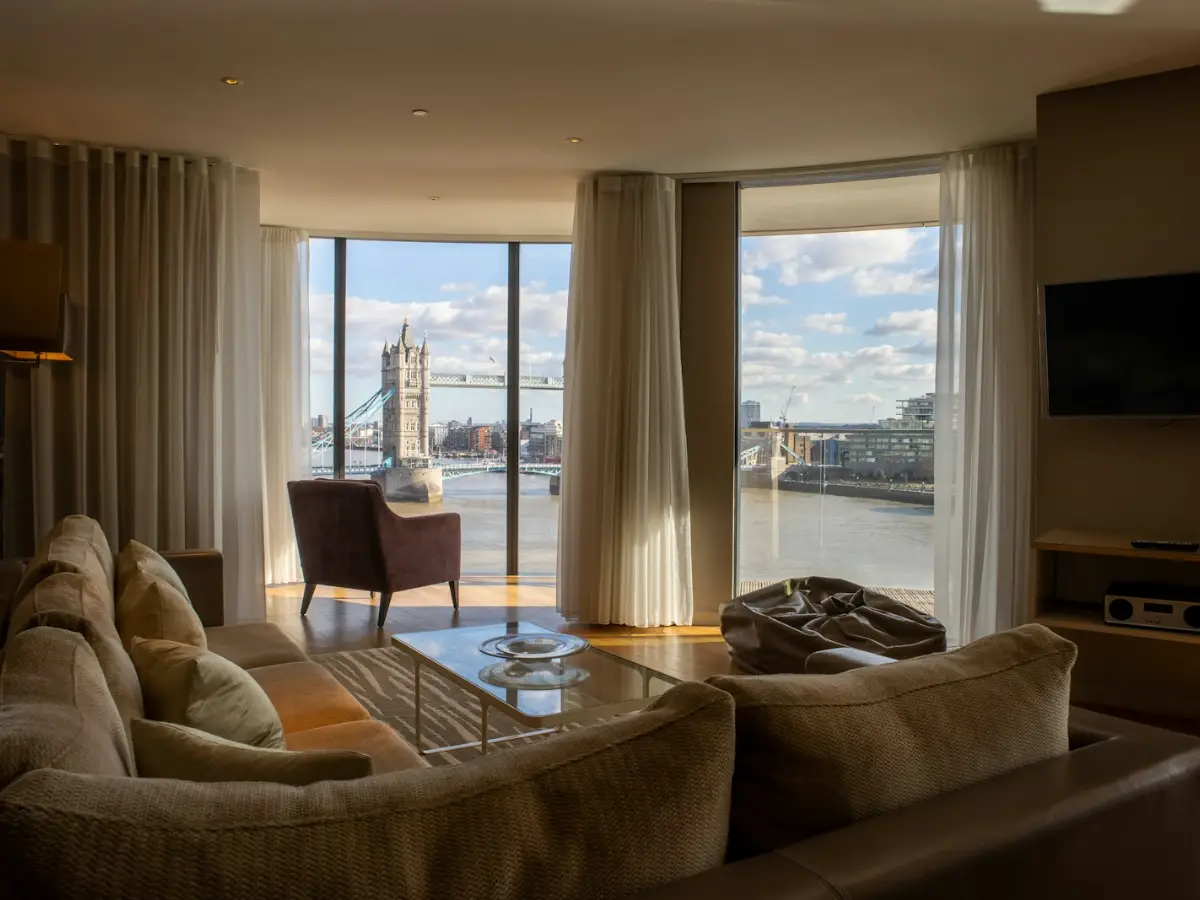
Yes. Most flats can take a split system: a quiet indoor unit on the wall and a small outdoor unit on a balcony, wall or flat roof. Aircova fits them from £2,195 with VAT. You usually need consent from the freeholder or landlord first, and sometimes planning permission.
The hard part of air conditioning in flats is the outside of the building. In most leasehold flats, the outside walls and roof belong to the freeholder.
In a split system the compressor and condenser sit in the outdoor unit, so the noise stays outside. Two insulated copper pipes carry R32 refrigerant between the units.
For one room, a single wall-mounted split is the usual answer. For two to five rooms, one outdoor unit can run several indoor units. That matters in a flat, as the freeholder only has to agree to one box on the outside.
Every split we fit is an inverter air-to-air heat pump. It cools in summer and heats in winter, giving about 3 to 4 kW of heat for every kW of electricity.
Consent first
Who needs to give permission?
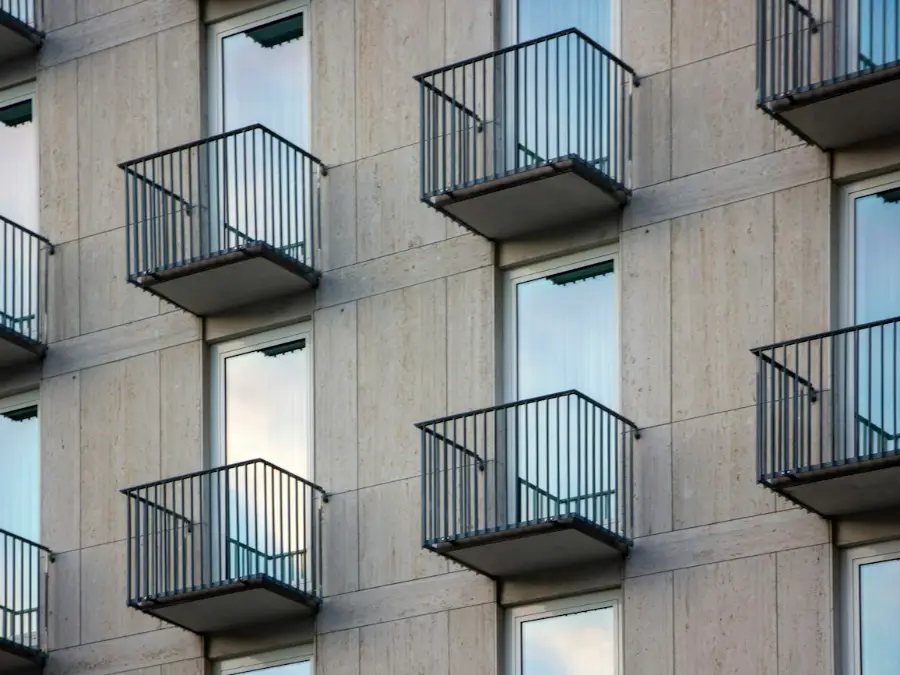
Almost every flat needs someone else to agree before an outdoor unit goes up. Who gives it depends on your tenure. Written consent before we drill also protects you when you sell.
Leaseholders
Your lease will usually say you cannot alter the outside of the building without the freeholder’s consent. Many freeholders give it through a formal licence to alter, and some charge a fee for it.
- Read the alterations clause in your lease
- Ask the managing agent how they handle requests
Share of freehold and renters
With a share of freehold, the other owners usually have to agree, often at a directors’ meeting. If you rent, you need your landlord’s written permission for any fixed system.
- Share of freehold: check your company rules
- Renting: ask the landlord or letting agent
What the freeholder will ask for
We supply the answers in one pack.
- A drawing or photo. We mark where the indoor unit, outdoor unit and pipe route will go.
- Spec sheets. The model, size, weight and published sound level of both units.
- Method statement. How we reach the wall, drill the hole and fix the bracket safely.
- Insurance and F gas details. Proof of cover and our company F gas certification.
Why the rules matter to you
Fitting without consent can breach your lease. The freeholder can ask you to remove the unit and repair the wall at your cost.
Refrigerant work is regulated too. The GOV.UK F gas guidance explains the qualifications needed to handle F gas, and freeholders often ask to see them.
Start early. Consent can take weeks in a large block, so ask in spring.
Planning rules
Do flats need planning permission?
Often, yes. The everyday permitted development rights that let many houses add a small outdoor unit do not cover flats. So air conditioning in flats can need a planning application, even for one small unit.
There is a narrower heat pump allowance that can cover a block of flats. The Planning Portal heat pump rules set strict limits, and every one has to be met.
- The outdoor unit must be no bigger than 0.6 cubic metres on a block of flats
- Only the first heat pump on the block counts as permitted development
- It must meet the MCS 020a planning standard
- It cannot be used only for cooling
- On a flat roof it must sit at least 1 metre from the edge
- No wall above ground floor level that faces a road
Many flats fall outside those limits, for example when another flat already has a unit. Listed buildings get no permitted development, and conservation areas add more limits.
The answer is to ask your council before work starts, as the rules vary by site. Our air conditioning planning permission guide explains the process.

Outdoor unit placement
Where the outdoor unit goes in a flat
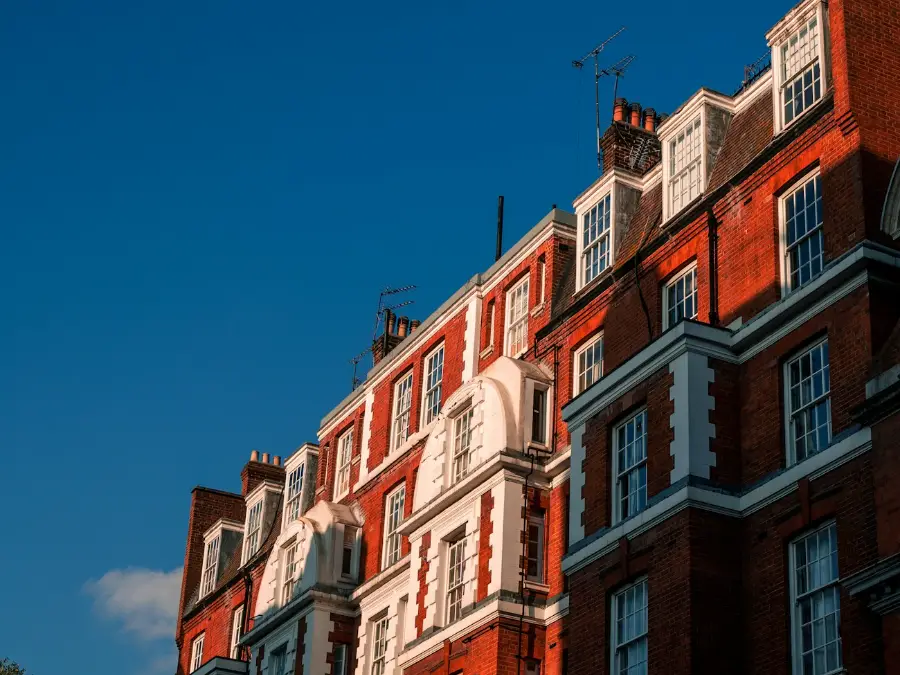
With air conditioning for flats, the best spot is out of sight from the street and close to the indoor unit. That usually means one of three places.
- Balcony: on the floor on anti-vibration feet, or low on the wall.
- Rear wall: on a bracket, away from windows.
- Flat roof: on a frame, 1 metre back from the edge.
A balcony is the easiest, as we can fit and service the unit from inside.
A wall bracket above ground floor needs safe access. Depending on height, that can mean a tower, scaffold, a mobile platform or rope access. Each block sets its own rules.
High-rise blocks bring more checks. We never drill through cladding without the building’s approval, and holes through fire compartment walls are fire stopped. Access is priced at the survey.
Neighbours, pipes and water
Noise, pipe routes and condensate drainage
In a flat, neighbours are above, below and beside you. Outdoor units run at roughly 45 to 50dB, and an inverter slows down once the room is at temperature.
We keep the outdoor unit away from bedroom windows, yours and theirs. Anti-vibration feet stop hum from travelling through a balcony slab or wall. Some councils may ask for noise details with a planning application.
Indoors, quiet mode on some models runs from about 19dB. See our guide to the quietest air conditioning units.
Pipe routes
The shortest route is straight through the wall behind the indoor unit. One 65mm hole carries both refrigerant pipes, the power cable and the drain. Our prices include up to 3m of pipe per indoor unit.
If the balcony is across the room, the pipes run along the ceiling line in slim trunking.
Condensate drainage
Cooling pulls water out of the air. In a flat it cannot drip onto the balcony below, so we run the condensate drain into a nearby waste pipe with a trap, or into a gutter where allowed. If there is no fall, a small pump lifts the water. We tell you which one your flat needs before we quote.

If an outdoor unit is refused
Air conditioning without an outside unit
When people search for air conditioning without outside unit space, they usually mean a monobloc. The compressor sits in the room, with two grilles in the outside wall. It solves the outdoor unit problem, at a cost in noise and running cost.
| Option | Outside the flat | Noise indoors | Best for |
|---|---|---|---|
| Wall-mounted split | One outdoor unit and one 65mm hole | Lowest, as the compressor is outside | Most flats where consent is given |
| Through-wall monobloc | Two larger holes with grilles | Higher, as the compressor is in the room | Flats where no outdoor unit is allowed |
| Portable unit | Nothing fixed, a hose out of the window | Highest | Renters without consent, short term use |
Monobloc pros
- No box on the balcony, roof or wall
- Two small grilles are easier to hide than an outdoor unit
- Often fitted from inside, so upper floors may not need scaffold
- Many models heat as well as cool
Monobloc cons
- Louder in the room, which matters in a bedroom
- Lower SEER and SCOP than a split, so higher running costs
- Less cooling power, suited to one modest room
- The holes still go through the outside wall, so you may still need consent
A monobloc is a fair choice when a split is refused, but it is not a way round the lease. Our portable vs split air conditioning guide covers the portable route in more depth.
Fixed prices
Air conditioning for flats prices
Our split system prices are fixed and include VAT. Each covers up to 3m of pipework per indoor unit, the bracket or stand, the electrical connection and commissioning.
2.5kW single room
A bedroom or study in a flat.
from£2,195
Fitted, VAT included
- Rooms up to about 20m²
- Quiet night mode
- Cools and heats
- Spec sheets for consent
3.5kW single room
A living room or sunny open plan space.
from£2,395
Fitted, VAT included
- Larger and south facing rooms
- Rooms with big windows
- Cools and heats
- Spec sheets for consent
Two rooms, one outdoor unit
A multi-split, ideal where space outside is tight.
from£3,995
Fitted, VAT included
- Each room has its own control
- One outdoor unit to agree
- Three rooms from £5,495
- Usually fitted in 2 to 3 days
One room usually costs £1,500 to £3,200 fitted across the UK, with London at the top end. Scaffold or tower access, pipe runs over 3m, wall chasing and consumer unit upgrades are priced at the survey. Our air conditioning cost page explains each one.
Sizing and next steps
Top floor flats and rooms with floor to ceiling glass run hot, so they often need 3.5kW rather than 2.5kW. Our BTU calculator gives a quick guide before the survey.
Cooling two rooms? A multi-split air conditioning system shares one condenser, so there is less to agree.
Want a figure now? Get an instant quote in about two minutes. We cover flats across London, Surrey, Kent, Essex and Hertfordshire.

FAQs
Questions about air conditioning in flats
Can I install air conditioning in a leasehold flat?
Yes, in most cases, but you usually need the freeholder’s written consent first. Leases normally stop you altering the outside walls or roof without permission. Many freeholders use a formal licence to alter, and some charge a fee. We supply the drawings, spec sheets and sound levels they ask for. Planning permission is a separate step.
Do I need my landlord’s permission for air conditioning in a rented flat?
Yes. Any fixed system, including a split or a through-wall monobloc, needs your landlord’s written permission, as it means drilling into the building. Your landlord may also need the freeholder’s consent. If the answer is no, a portable unit with a window kit needs no permission, though it is louder and less efficient.
Do flats need planning permission for air conditioning?
Often, yes. The permitted development rights that cover many houses do not apply to flats. A narrower heat pump allowance can cover the first unit on a block of flats, within strict limits on size and position, and not for cooling only. Listed buildings and conservation areas add more limits. Check with your council first.
Can the outdoor unit go on my balcony?
Usually, yes, if the freeholder agrees and there is room. We stand the unit on anti-vibration feet or fix it low on the wall, with clear space around it for airflow. It must not block the balcony drain or an escape route. A balcony also makes servicing easy, as we reach it from inside.
Can I get air conditioning in a flat without an outside unit?
Yes, with a through-wall monobloc or a portable unit. A monobloc is the usual route to air conditioning without outside unit clutter. It keeps the compressor indoors and uses two grilles in the outside wall instead of an outdoor unit. It is louder in the room and costs more to run than a split. The holes still go through the outside wall, so you may still need consent.
Will the outdoor unit disturb my neighbours?
It should not, if it is placed with care. Outdoor units run at roughly 45 to 50dB and slow down once the room is at temperature. We keep them away from bedroom windows and fit anti-vibration feet, so hum does not travel through slabs and walls. We agree the position with you before fitting.
How do you install air conditioning in a high-rise flat?
We plan access first. A balcony unit is fitted from inside the flat. A wall bracket on an upper floor needs a tower, scaffold, mobile platform or rope access, depending on height and the building’s rules. We never drill through cladding without approval, and access is priced at the survey.
Where does the water from the indoor unit go in a flat?
Into a drain, never onto the balcony below. The indoor unit collects water as it cools, and a condensate drain carries it away. We usually connect it to a nearby waste pipe with a trap. If the drain cannot fall naturally, a small pump lifts the water out.
Get your fixed price
Tell us about your flat, the rooms you want cooled and any balcony or roof space. We will call you with a fixed price and help with the consent paperwork. No pressure and no obligation.
- Reply within one working day
- Free home survey
- Price confirmed in writing
Prefer to talk? Call 07403 664179
Monday to Friday 8am to 6pm, Saturday 9am to 5pm
We only use your details to prepare your quote. See our privacy policy.