
Buyer’s guide Cooling, noise, costs and heating compared
Portable vs Split Air Conditioning, Compared Honestly
Portable vs split air conditioning comes down to cooling power, noise and running costs. A portable costs less to buy and needs no fitting, but a split cools better, runs quieter and also heats. We fit split systems across London and the South East, and this guide sets out when a portable is the better buy.
- Plain advice, even if a portable suits you
- Split prices include VAT
- Fixed price in writing
Last updated: October 2026. Prices last checked: October 2026
The short answer
Is a portable or a split system better?
A split system is better for regular cooling. It moves heat to an outdoor unit, so it cools faster, runs quieter, uses less power and heats in winter. A portable is cheaper and needs no fitting, so it suits renters and occasional hot spells. Aircova fits split systems and will say if a portable is enough.
The two machines work on the same principle. Each has a compressor, refrigerant and two coils. One coil takes heat out of your room and the other throws that heat away.
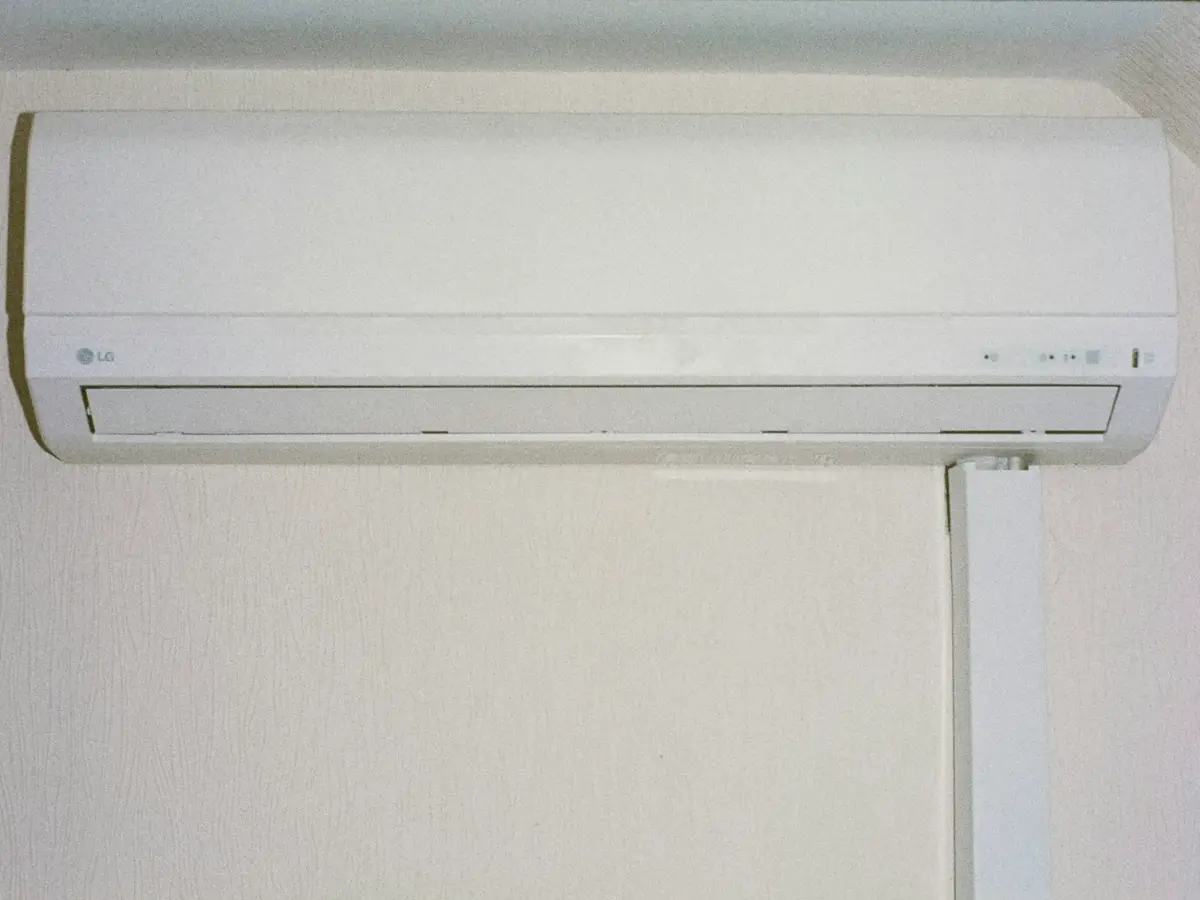
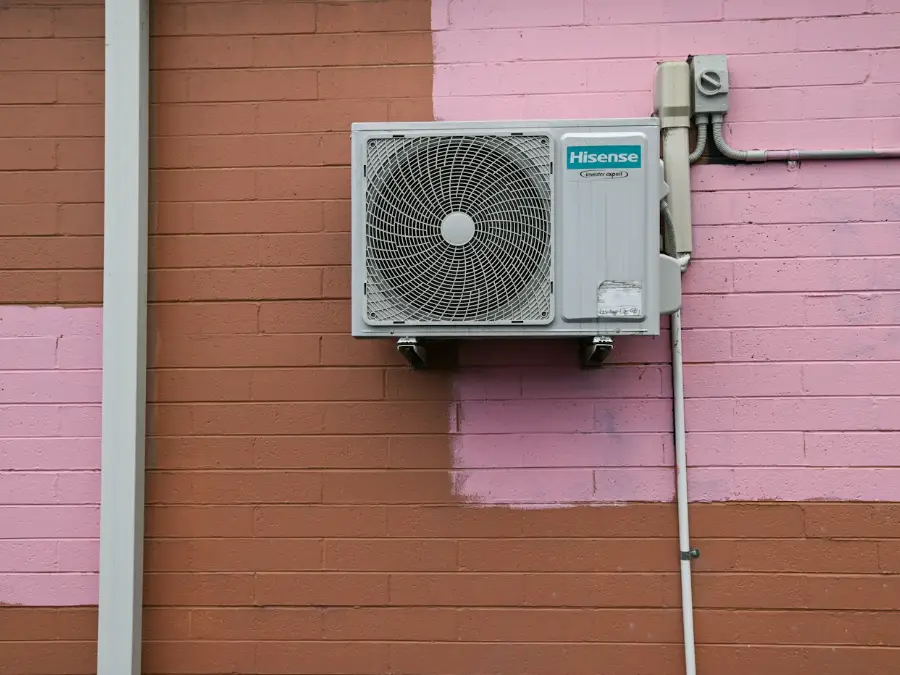
The difference is where the hot side sits. In a portable, everything lives in one box on your floor, and the heat leaves through a hose. In a split system, the hot side sits outside in a separate outdoor unit, linked to the indoor unit by insulated refrigerant pipes.
That one design choice explains almost every other gap: noise, efficiency, open windows and floor space. It also explains the price, because a split needs an F gas engineer to fit it, while a portable comes out of the box ready to plug in.
Who usually picks which
Portables suit people who cannot drill walls, such as tenants, or who only need cooling on a handful of days. Split systems suit owners who want a cool bedroom every summer night and a cheap second source of heat in winter.

Side by side
Portable vs split air conditioning compared
Here are the facts that matter most for a UK home. Portable prices come from Currys listings in October 2026. Split prices are our own fitted prices with VAT.
| Feature | Portable unit | Split system |
|---|---|---|
| Price | £219 to £999 to buy | From £2,195 fitted for a 2.5kW unit |
| Fitting | Plug in, hose through a window kit | F gas engineer, usually one day |
| Cooling output | 7,000 to 14,000 BTU on the box, less in real use | 2.5kW to 7.0kW, about 8,500 to 23,900 BTU |
| Power drawn while cooling | About 0.8 to 1.35 kW | Less for the same cooling, and it throttles down once the room is cool |
| Noise in the room | About 50 to 65dB | From about 19dB on quiet mode |
| Heating | Some models, often a simple electric heater | Heat pump giving 3 to 4 kW of heat per kW used |
| Windows | One stays part open for the hose | Closed, pipes pass through a small wall hole |
| Floor space | A unit on wheels plus a 1.5m hose | None, the indoor unit sits high on the wall |
| Water | Tank or tray to empty on some models | Condensate drain runs outside |
The noise figure for portables matches independent testing. Expert Reviews measured one 10,000 BTU portable at 53.6dB on low fan and 59.6dB on high. On the split side, quiet modes around 19dB are found on some premium indoor units.
The outdoor unit of a split is not silent. It runs at roughly 45 to 50dB, but it sits outside, behind a wall and a closed window. That placement is the main reason a split can be used in a bedroom at night.
Sizing tip. Both types are rated in BTU or kW, and 1kW is about 3,412 BTU/h. Use our BTU calculator to size the room first, then compare like with like.
Real cooling power
Why a portable cools less than the box says
The BTU figure on a portable box is measured in test conditions. In a real room, a single hose portable loses part of that cooling through a problem called negative pressure.
How negative pressure works
A single hose unit uses room air to cool its own hot coil, then blows that air out of the window. You have already paid to cool that air.
The air it throws out has to be replaced. It comes back in through door gaps, floorboards, trickle vents and the open window itself. On a hot day, that replacement air is warm and often humid.
So the unit spends part of its effort cooling air that has just leaked in from outside. The hotter it is outdoors, the bigger the loss. That is the opposite of what you want in a heatwave.
Are dual hose portables better?
Yes, a little. A dual hose model draws outside air through one hose to cool its hot coil, and sends it back out through the other. Far less cooled room air is lost.
The trade off is two hoses in the window, a bulkier kit, and a higher price. The compressor still sits in the room, and the hoses still give off heat as they pass through it.
Why a split keeps going
A split system does not exchange room air with the outside at all. The indoor unit only recirculates and cools the air already in the room. Heat leaves as refrigerant through sealed copper pipes to the condenser outside.
Current units use R32 refrigerant and inverter compressors. The inverter slows down as the room nears its set temperature, rather than switching fully on and off. That keeps the room steady and cuts power use.
A correctly sized 2.5kW split will hold a typical bedroom at temperature on a 30°C day. A portable with a similar label often struggles in the same room by late afternoon.
Money
Costs to buy, run and heat with
The portable wins easily on upfront cost. The split wins on running costs and heating. Here is how the numbers stack up.
Upfront cost
- Portable
- £219 for a 7,000 BTU model to £999 for a 13,000 BTU model at Currys.
- Split, one room
- From £2,195 fitted with Aircova for 2.5kW, VAT included.
- Split, UK range
- About £1,500 to £3,200 fitted, with London at the top end.
Running cost, one summer
- Portable
- About £69, at 1.1 kW for 240 hours.
- Split
- About £32, at an average 0.5 kW for 240 hours.
- Basis
- 4 hours a day for 60 days, at 26.32p per kWh.
Our running cost figures are estimates, not lab tests. The portable power range comes from retailer listings, which show 0.8 to 1.35 kW for common models. The electricity price is the Ofgem price cap unit rate for October to December 2026, paid by direct debit.
The split figure assumes the inverter runs hard for the first half hour, then idles at a lower output. Real use depends on the room, the sun and the set point. Our guide to air conditioning running costs works through more examples.
Does the split pay for itself on cooling alone?
No, not on summer cooling in a typical UK home. A saving of under £40 a summer will never cover a gap of more than £1,500 in purchase price. We would rather say that plainly.
The case for a split rests on comfort, noise and heating. A split cools properly on the hottest days, you can sleep next to it, and it gives you cheap heat for half the year.
Heating: the bigger difference
Every split we fit is a reverse cycle heat pump. In heating mode, a modern inverter unit gives about 3 to 4 kW of heat for each kW of electricity, a SCOP of around 4.
Many portables are cooling only. Those with a heat setting often use a simple electric element, which gives 1 kW of heat per kW used, the same as a fan heater.
So if you heat a room with electric heaters now, a split can cut that heating bill by two thirds to three quarters. That is where the long term saving sits. An air-to-air heat pump is the same kit, sized for winter rather than summer.
For a full price breakdown by size and room count, see our air conditioning cost page.

Day to day
Noise, window kits and security at home
Running costs aside, these are the points people notice most after buying. They are also where portables lose most of their fans.
Noise
A portable puts the compressor and both fans in your room. At 50 to 65dB, it sounds like a busy office or a loud conversation. Light sleepers often switch it off at night, which defeats the point.
With a split, the compressor is outside. The indoor unit only moves air, and night modes drop it to a whisper. Our guide to the quietest air conditioning units compares models by dB.
Portable air conditioner installation and window kits
Portable air conditioner installation means fitting the exhaust hose to a window. Most units come with a fabric or plastic window kit that seals the gap around the hose.
Sash windows, common in London terraces, are the easiest to seal. Tilt and turn and casement windows are harder, and gaps let warm air straight back in. A hose that runs long or sags also loses heat into the room.
Security
A window held open for a hose is a weak point, especially in a ground floor flat. Some window kits lock the sash, but many do not. A split leaves every window shut and locked.
Check your home insurance wording if you plan to leave a portable running while you are out.
Making the choice
When a portable is fine and when a split wins
Neither is the right answer for everyone. Your home, your tenancy and how often you need cooling decide it.
Portable or split
- You rent and cannot drill walls
- You need cooling a few days a year
- You want to move it between rooms
- Your budget is under £1,000
- You own the home or have consent
- You want a cool bedroom every night
- You work from home in summer
- You want cheaper heat in winter
Lifespan and care
- Portable
- A sealed appliance. Clean the filter and empty any tank. If the compressor fails, replacing the unit is usually cheaper than repair.
- Split
- Built to be serviced and repaired. Manufacturer warranty up to 5 years, longer on some ranges with yearly servicing.
Renters and flats
If you rent, a portable is usually the only option you control. A split needs the landlord’s written consent, and in a leasehold flat the freeholder may need to agree too. Our page on air conditioning for flats covers consent and outdoor unit positions.
Most single units on houses do not need planning permission, but flats, listed buildings and conservation areas often do. Our planning permission guide explains the rules.
Owners who want a permanent fix
For one room, the usual answer is wall-mounted air conditioning: one indoor unit, one outdoor unit and a day of fitting. If sleep is the main reason, see our page on bedroom air conditioning for sizes and night modes.
For two to five rooms, a multi-split system runs several indoor units from one outdoor unit. That keeps the outside of your home tidier.
Who can fit a split
A split system holds refrigerant, so fitting it is regulated. The GOV.UK F gas guidance covers anyone who works on this equipment, and installers need F gas qualifications and company certification. DIY kits that skip this are best avoided.
Our engineers pressure test the pipework, pull a vacuum and commission each system before handover. Ready for numbers? Get an instant quote online, or book air conditioning installation with a free survey.

FAQs
Portable and split questions
Is a portable air conditioner as good as a split system?
No, not for the same room on the same day. A split system cools more steadily, uses less electricity for the same cooling and runs far more quietly, because its compressor sits outside. A portable is still useful. It costs a fraction of the price, needs no fitting and can move between rooms, which makes it a fair choice for renters or occasional use.
Can you use a portable air conditioner without a window?
Not properly. A portable has to send its hot air outside through the exhaust hose. Without a window, you need another opening, such as a vent through a wall or a door kit. If the hose stays in the room, the heat it removes goes straight back in, and the room gets warmer, not cooler. Units sold as air coolers without a hose are evaporative fans, not air conditioners.
Is a dual hose portable better than a single hose?
Yes, in most rooms. A single hose model blows cooled room air outside, and warm air leaks back in to replace it. A dual hose model uses outside air to cool its hot coil, so far less of your cooled air is lost. It still cannot match a split, as the compressor and its heat remain in the room.
How much does a portable air conditioner cost to run?
About 21p to 36p an hour for a common model, at the October 2026 price cap rate of 26.32p per kWh. That is based on power draws of 0.8 to 1.35 kW while the compressor runs. Used four hours a day for 60 summer days, that comes to roughly £50 to £85. A split doing the same job usually costs less than half.
Can a portable air conditioner heat a room?
Some can, but most heat less efficiently than a split. Many portables are cooling only. Models with a heat mode often use an electric element, which gives 1 kW of heat for each kW of electricity. A split system works as a heat pump and gives about 3 to 4 kW of heat per kW, so it is far cheaper to heat with.
Do portable air conditioners need servicing or regassing?
No regassing, as the refrigerant is sealed in at the factory. You should clean the filter every few weeks in summer and empty the water tank if your model has one. A split benefits from a yearly service by an F gas engineer, which keeps it efficient and is needed for the longer warranty on some ranges.
Can I fit a split system in a rented home?
Only with your landlord’s written permission. A split needs a hole through an outside wall, an outdoor unit and an electrical connection, so it counts as an alteration. In a leasehold flat, the freeholder or managing agent may need to agree too. Include the unit size and outdoor unit position with your request, which we can give you after a survey.
What size portable air conditioner do I need?
For a typical bedroom, around 9,000 BTU, and 12,000 BTU or more for a sunny lounge. Because a single hose model loses some output to negative pressure, buy one size up from what the room needs on paper. For a split, a bedroom up to about 20m2 usually needs 2.5kW, and a lounge 3.5kW.
Is it worth replacing a portable with a split system?
It is if you use the portable most summer days or want heating too. A split will cool better, let you close the window and run quietly enough to sleep. If you only switch the portable on during a heatwave, keeping it is the cheaper choice. We are happy to give a fixed price so you can compare.
Get your fixed price
Thinking of swapping a portable for a split system? Tell us which room and roughly how big it is. We will call you with a fixed price and honest advice. No pressure and no obligation.
- Reply within one working day
- Free home survey
- Price confirmed in writing
Prefer to talk? Call 07403 664179
Monday to Friday 8am to 6pm, Saturday 9am to 5pm
We only use your details to prepare your quote. See our privacy policy.