
Quiet at night Cools in summer, heats in winter
Quiet Bedroom Air Conditioning for Cooler Nights
Aircova fits bedroom air conditioning in homes across London and the South East, from £2,195 with VAT. A quiet wall unit cools the room on hot nights and heats it in winter. Most bedrooms are fitted and running in a single day, at a fixed written price.
- F-Gas certified engineers
- Prices include VAT
- Fitted in one day
Prices last checked: October 2026
How it works
What is the best air conditioning for a bedroom?
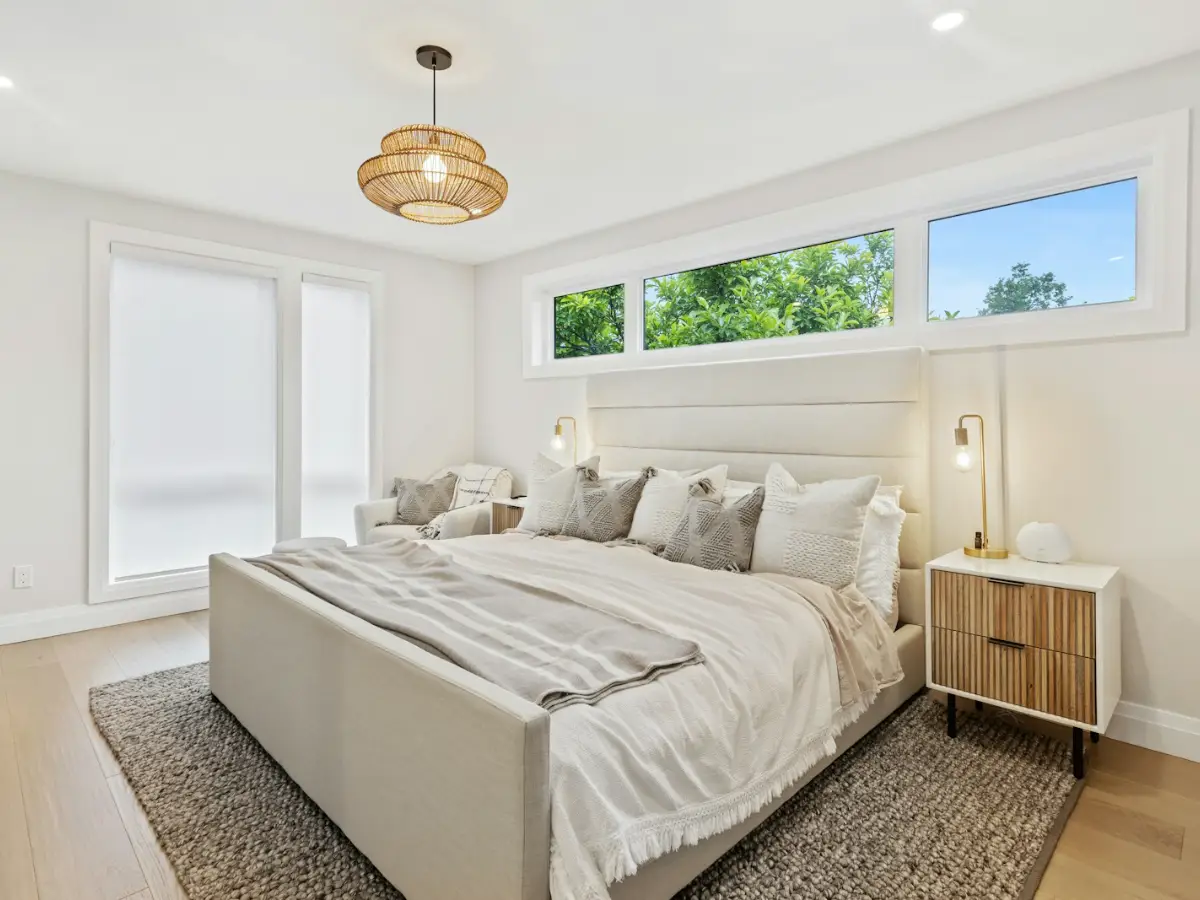
For most bedrooms the best choice is a wall-mounted split: a quiet indoor unit high on the wall and a small outdoor unit outside. Aircova fits these from £2,195 with VAT. The noisy compressor stays outdoors, so the room stays calm, and the same unit heats in winter.
Choosing air conditioning for bedrooms comes down to three things: noise, size and position. The indoor unit holds only a fan and a coil. The compressor and condenser sit in the outdoor unit, on a wall bracket or ground stand. That split is the reason a fitted system is far quieter at night than a portable box on the floor.
Two insulated copper pipes carry R32 refrigerant between the units. A power cable and a condensate drain run with them through one 65mm hole in the wall. Water from the coil drains outside by itself, so there is no tank to empty at 3am.
Every unit we fit has an inverter compressor. It slows down once the room reaches your set temperature, rather than cycling hard on and off. In a bedroom, that means a steady temperature and a soft, even fan sound all night.
For one bedroom, our wall-mounted air conditioning page explains the system in full. If you want to cool two or more bedrooms, one outdoor unit can run several indoor units, which we cover further down.
Why not a portable unit?
A portable air conditioner keeps its compressor inside the room, right beside the bed. It also needs a hose through an open window, which lets warm air and street noise back in. Most people who buy one for sleeping turn it off because of the sound.
Night-mode noise
How quiet is air conditioning for a bedroom at night?
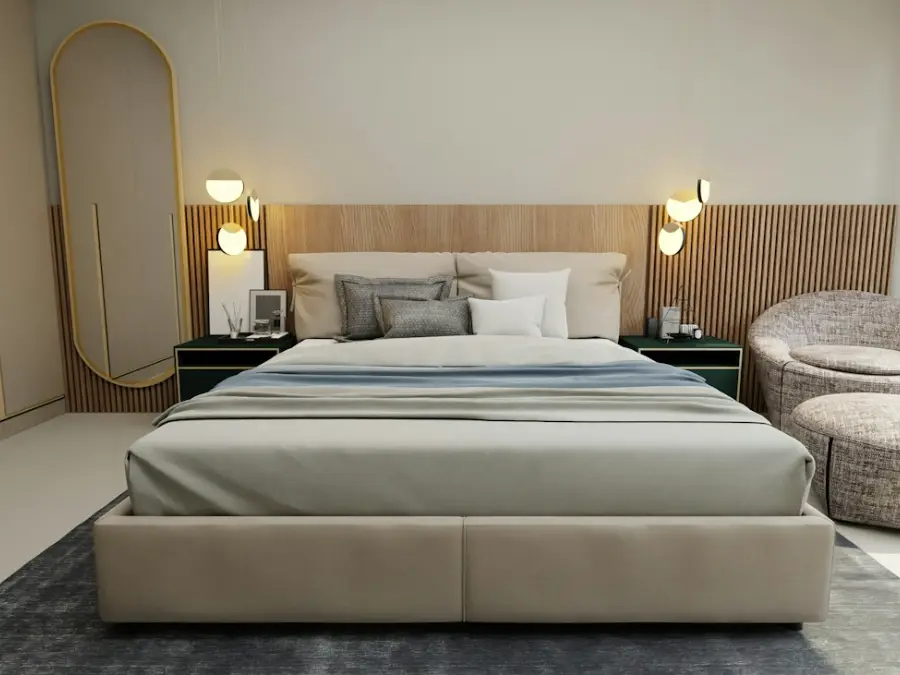
Very quiet, if you choose the right indoor unit and run it in quiet mode. Night-mode noise from some indoor units is about 19dB, which is well below a whisper. The table compares everyday sounds with published figures from two manufacturers.
| Sound | Level | What it is like |
|---|---|---|
| Quiet library | About 40dB | Calm, but you notice small sounds |
| Whisper | About 30dB | Soft speech a short distance away |
| Mitsubishi Electric MSZ-LN25, high fan | 36dB(A) | Cooling a hot room down quickly |
| Mitsubishi Electric MSZ-LN25, low fan | 23dB(A) | Holding the temperature once the room is cool |
| Mitsubishi Electric MSZ-LN25, silent mode | 19dB(A) | Quieter than a whisper |
| Daikin Perfera, quiet mode | From 19dB(A) | Quieter than a whisper |
Indoor figures are sound pressure levels published by each manufacturer for the 2.5kW size. Daikin lists the Perfera wall unit at down to 19dB(A), depending on operating conditions. Real levels in your room also depend on furniture, room shape and fan speed.
Getting the room quiet before bed
The fan is loudest when it is pulling a hot room down. Set a timer to start cooling an hour before bed, then switch to quiet or night mode as you turn in. The unit then only has to hold the temperature.
- Pre-cool the room in the evening
- Switch to quiet mode at bedtime
- Keep the filters clean, as clogged filters make the fan work harder
Quiet outdoor unit placement for neighbours
The outdoor unit is the louder part, at roughly 45 to 50dB. In London terraces, side returns and close gardens, we place it away from your bedroom window and your neighbours’ windows.
- Anti-vibration feet on every bracket and stand
- Not facing a neighbour’s bedroom window
- Open air around it, so the fan runs slower
Comparing models? Our guide to quiet air conditioning units lists indoor and outdoor sound figures by model, so you can shortlist before the survey.
Sleep temperature
What temperature should a bedroom be for sleep?
A cool bedroom, around 18°C, suits most adults. The Sleep Foundation suggests about 18.3°C, within a range of roughly 15.6°C to 20°C. On a hot London night, upstairs rooms often stay well above that long after sunset.
Bedrooms at the top of a house heat up first. Warm air rises, roofs soak up the sun, and windows that face south or west keep giving off heat into the evening. Opening a window can help, but on still nights it often lets in more warm air and traffic noise.
A set point of 18°C to 20°C is a sensible starting place. Many people find 19°C works well, with a light duvet. Setting the unit much lower does not cool the room faster; it just runs the compressor harder for longer.
Air conditioning also takes moisture out of the air as it cools. Lower humidity makes a warm room feel fresher, which is why sticky nights feel better even at the same temperature. Most units also have a dry mode for humid, mild nights.
Children’s bedrooms and nurseries
Babies may sleep better in a room one or two degrees warmer than adults, up to about 20.5°C, according to the Sleep Foundation. It suggests checking a baby by touching their tummy or the back of their neck, rather than their hands or feet.
In children’s rooms we fit the indoor unit high, well out of reach, and angle the airflow away from the cot or bed. Keep the remote out of reach too, or use the phone app with a locked set point. A simple room thermometer by the cot gives you a second reading.
All year comfort
Does bedroom air conditioning heat in winter?
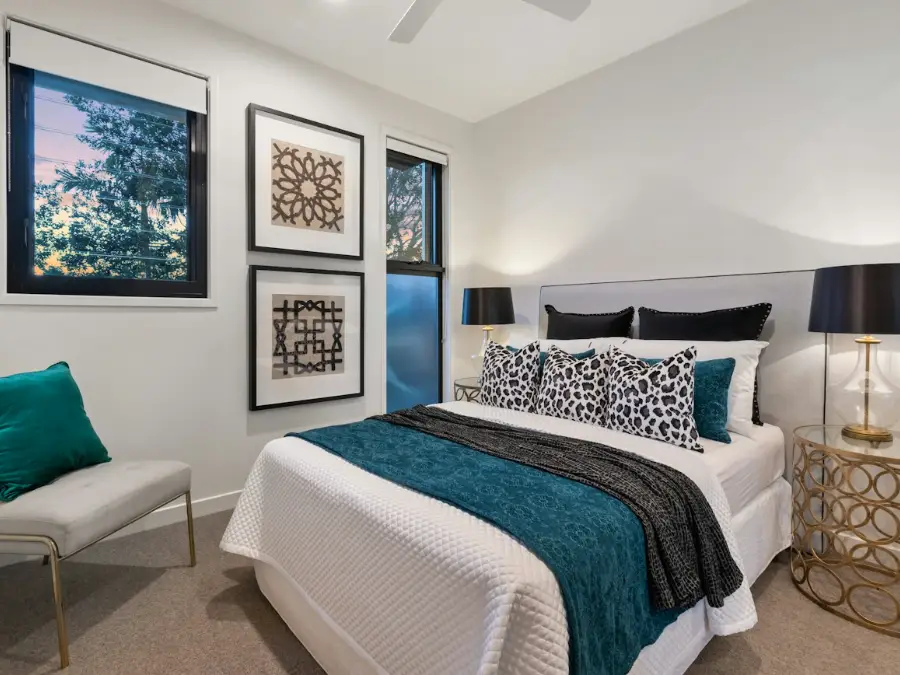
Yes. Every unit we fit is an air-to-air heat pump, so it runs in reverse when the weather turns cold. It draws warmth from the outside air and moves it into the bedroom.
That ratio is why it costs much less to run than an oil-filled radiator or a fan heater. Those turn one unit of electricity into one unit of heat. A heat pump turns it into three or four.
It is useful in rooms the central heating struggles with, such as a cold box room, a bedroom over a garage or a loft room. You can warm the room for half an hour before bed, then let it drop overnight.
The unit defrosts its outdoor coil on frosty mornings, which may pause the heating for a few minutes. That is normal, and the room warms again straight after.
Unit size and position
What size unit, and where should it go?
Most bedrooms need a unit between 2.0kW and 3.5kW. The floor area matters most, then the windows, the sun and the insulation. A unit that is too small runs flat out all summer, and one that is too big cools in short bursts and leaves the air damp.
- 2.0kW: small box rooms and nurseries, where the brand offers this size
- 2.5kW: most double bedrooms up to about 20m², roughly 8,500 BTU/h
- 3.5kW: large or sunny bedrooms, loft bedrooms and rooms with big windows
For a quick figure, our BTU calculator for bedrooms works from your room size, sun and insulation. 1kW is about 3,412 BTU/h, so you can compare any label. We still confirm the size at the survey.
Where to place the indoor unit
We avoid fitting the unit directly over the bed. Cool air falls, so a unit above the headboard sends a steady draught onto your head and shoulders. A wall facing the bed or to one side spreads the air across the room instead.
The unit goes high on the wall, with at least 15cm of space above it. An outside wall keeps the pipe run short and the drain simple. We also check that wardrobes, curtains and shelves will not block the airflow.
Pipe routes and the condensate drain
If the best wall for comfort is an inside wall, the pipes travel further to reach the outdoor unit. That can mean neat trunking along the ceiling line, or a small pump for the condensate drain. We show you each option and its price before any work starts.

Fixed prices
Bedroom air conditioning prices and fitting day
Our air conditioning for bedrooms is sold at fixed, fitted prices that include VAT. Each price covers up to 3 metres of pipework per indoor unit, the bracket, the electrical connection and commissioning.
2.5kW single bedroom
The usual size for a double bedroom or nursery.
from£2,195
Fitted, VAT included
- Bedrooms up to about 20m²
- Quiet night mode
- Cools and heats
- Wi-Fi control from your phone
3.5kW single bedroom
For a large, sunny or loft bedroom.
from£2,395
Fitted, VAT included
- Larger and south facing rooms
- Quiet night mode
- Cools and heats
- Wi-Fi control from your phone
Two bedrooms, one outdoor unit
A multi-split with a quiet unit in each room.
from£3,995
Fitted, VAT included
- Each room has its own control
- One outdoor unit outside
- Three rooms from £5,495
- Usually fitted in 2 to 3 days
Across the UK, one room usually costs £1,500 to £3,200 fitted, with London at the top end. Our air conditioning cost guide explains what moves the price. Longer pipe runs, scaffolding or tower access, wall chasing and consumer unit upgrades are priced at the survey.
Installation in a day
Fitting air conditioning for a bedroom takes one working day, often 5 to 7 hours. Two engineers arrive in the morning and you sleep in a cool room that night.
- Protect the room. We cover the bed and floor, move furniture and agree the unit position with you.
- Fix the indoor unit plate. It goes level and high, so the condensate drain falls the right way.
- Drill one hole. A 65mm core hole is cut with dust extraction, sloping slightly to the outside.
- Mount the outdoor unit. It sits on a bracket or stand with anti-vibration feet, away from windows.
- Run and test the pipework. We pressure test with nitrogen, then pull a deep vacuum.
- Commission and hand over. We release the R32, test cooling and heating, and set up quiet mode.
Rules that apply
Anyone who installs equipment holding refrigerant needs an F gas qualification and company certification. The GOV.UK F gas guidance sets this out, and it is why a split unit is not a DIY fit.
Most houses in England can add one small outdoor unit without planning permission, if it does not change how the building looks in a big way. The government note on air conditioning rules still says to check with your council. Flats, listed buildings and conservation areas often need consent, and our air conditioning planning guide covers each case.
Want a figure now? Get an instant quote online in about two minutes, or send us a photo of the bedroom wall on WhatsApp.
Brands and rooms
Brands we fit and rooms beyond the bedroom
We fit quiet air conditioning for bedrooms from the five brands UK installers fit most. All run on R32 refrigerant and are inverter models, and most are rated A++ for cooling.
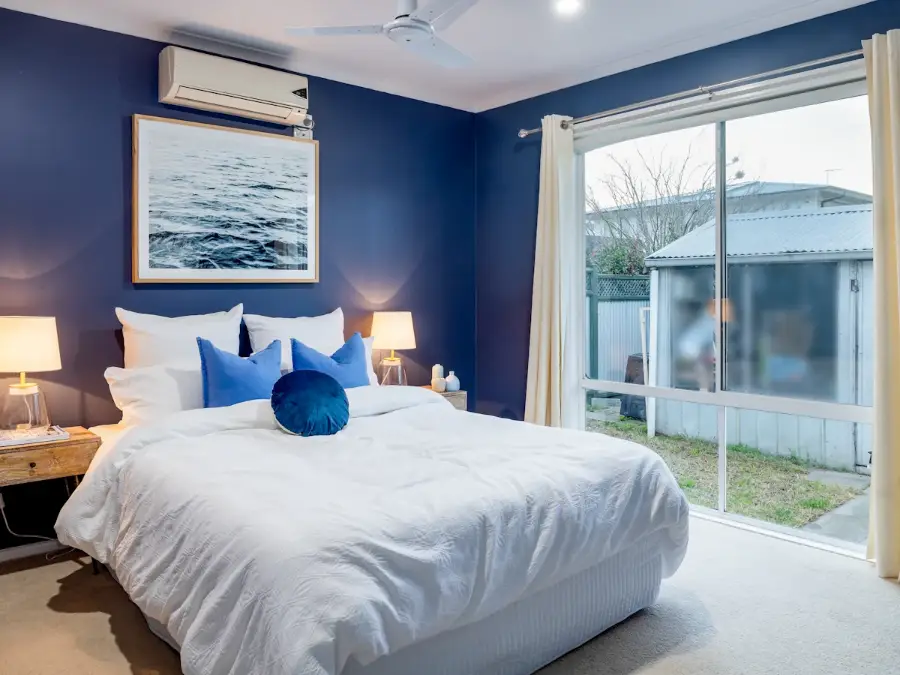
Several bedrooms
One outdoor unit can run two to five indoor units, each with its own control, so every bedroom sets its own temperature.
Multi-split air conditioning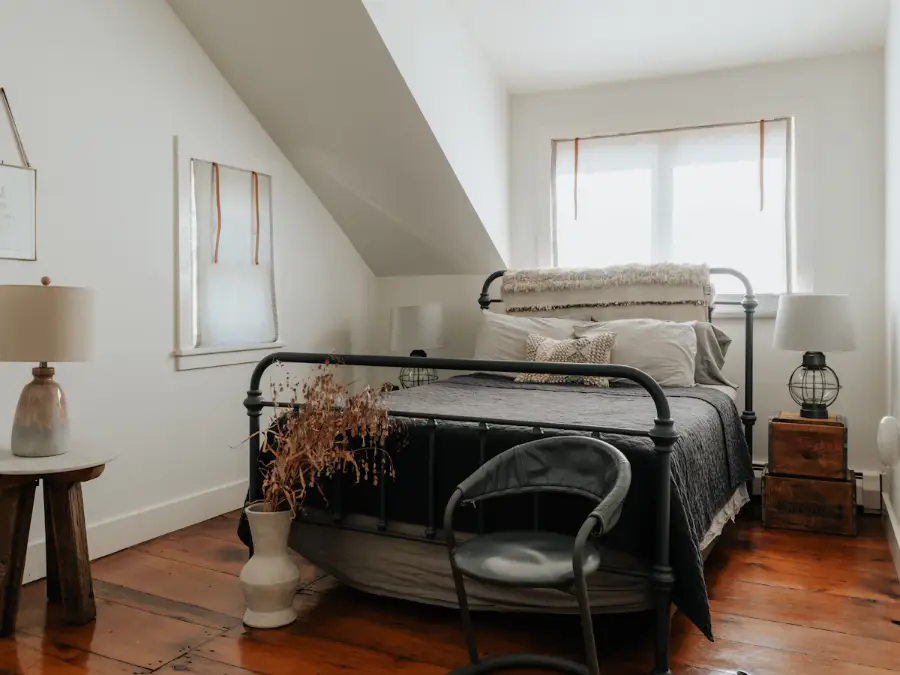
Loft bedrooms
Roof windows and sloped ceilings trap summer heat, so loft rooms often need 3.5kW and a planned pipe route.
Loft air conditioning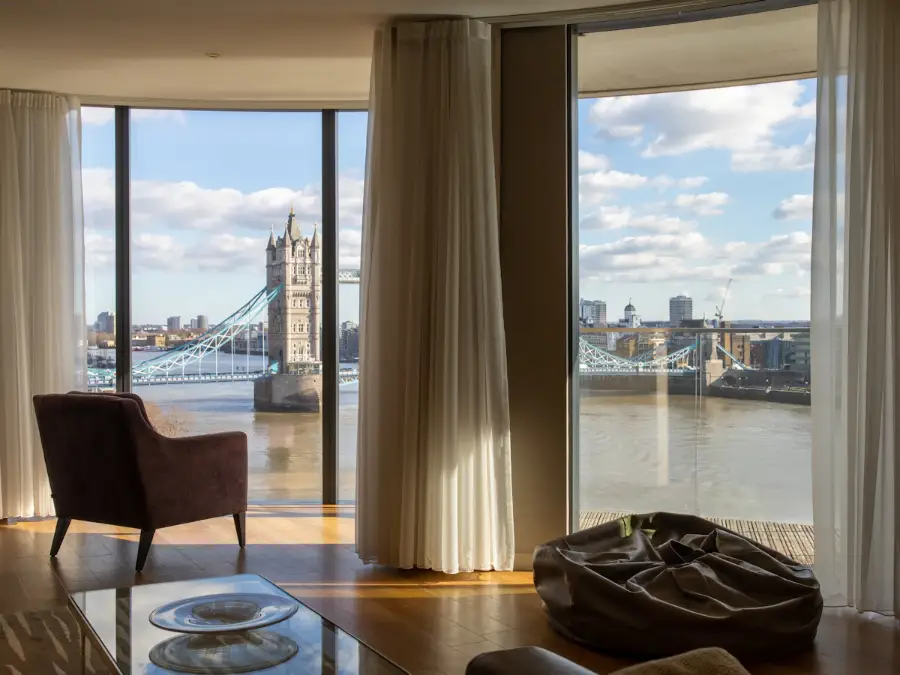
Flats
Balcony condensers, plus the noise figures and spec sheets a freeholder or managing agent will ask for.
Air conditioning in flatsCooling more than one bedroom
Separate wall units each need their own outdoor unit, which adds clutter on the outside wall. A multi-split system for several bedrooms uses one outdoor unit instead, from £3,995 for two rooms. It usually takes 2 to 3 days to fit.
The rest of the house
Bedrooms are often the first room people cool, then the home office or lounge follows. Our wider air conditioning installation service covers every room, and a single wall unit suits most of them.
FAQs
Bedroom air conditioning FAQs
Is it safe to sleep with air conditioning on all night?
Yes, for most people it is fine to run a split unit all night. Use quiet mode, set a sensible temperature such as 18°C to 20°C, and angle the airflow away from the bed. Clean the filters every few weeks in summer so the air stays fresh. If the air feels dry, raise the set point a degree or use a timer to switch off in the early hours.
What temperature should I set my bedroom air conditioning at night?
Set it between 18°C and 20°C for most adults. The Sleep Foundation suggests about 18.3°C as a good bedroom temperature for sleep. Going much lower does not cool the room faster and costs more to run. For babies, the same source suggests a room one or two degrees warmer, up to about 20.5°C.
What size air conditioner do I need for a bedroom?
Most bedrooms need a 2.0kW to 3.5kW unit. A 2.5kW unit suits most double bedrooms up to about 20m². Choose 3.5kW for a loft bedroom, a large room or one with big south facing windows. Small box rooms can take 2.0kW where the brand offers it. We confirm the size at a free survey.
Can you put an air conditioning unit above a bed?
You can, but we advise against it. Cool air falls, so a unit above the headboard sends a draught onto your head and shoulders all night. A wall facing the bed, or to one side of it, spreads the air across the room. If the wall above the bed is the only option, we angle the louvres to blow along the ceiling.
Is air conditioning safe in a nursery or child’s bedroom?
Yes, a fitted split unit is a common way to keep a nursery at a steady temperature. We fit the indoor unit high and out of reach, with the airflow angled away from the cot. Avoid making the room too cold, and check the baby by feeling their tummy or the back of their neck. A room thermometer gives you a second reading.
Will the outdoor unit keep my neighbours awake?
It should not, if it is placed well. Outdoor units run at roughly 45 to 50dB, and they slow down once the room is at temperature. We place them away from your bedroom window and your neighbours’ windows, and fit anti-vibration feet. In tight terraces we discuss the position with you before fitting.
Can one outdoor unit cool two bedrooms?
Yes, with a multi-split system. One outdoor unit runs two to five indoor units, and each bedroom has its own control. Our multi-split prices start from £3,995 for two rooms and £5,495 for three, fitted with VAT. A two or three room system usually takes 2 to 3 days to install.
How long does it take to fit air conditioning in a bedroom?
One working day, often 5 to 7 hours. That covers the wall hole, both units, the pipework, the pressure test and vacuum, and commissioning. You can sleep in the room that night. Jobs that need scaffolding, a long pipe run or a consumer unit upgrade may take longer, and we tell you when we quote.
Get your fixed price
Tell us about the bedroom you want to keep cool and we will call you with a fixed price. No pressure and no obligation.
- Reply within one working day
- Free home survey
- Price confirmed in writing
Prefer to talk? Call 07403 664179
Monday to Friday 8am to 6pm, Saturday 9am to 5pm
We only use your details to prepare your quote. See our privacy policy.