
All major brands Fault found, price agreed, then fixed
Air Conditioning Repair by F-Gas Certified Engineers
Aircova offers air conditioning repair for homes across London and the South East, with a diagnostic visit from £95. Our engineer finds the fault, tells you the fixed price for parts and labour, and only starts once you agree. We repair split, multi-split and ducted systems from every major brand, including units we did not fit.
- F-Gas certified engineers
- Price agreed before work starts
- Prices include VAT
Prices last checked: October 2026
How it works
What does air conditioning repair involve?
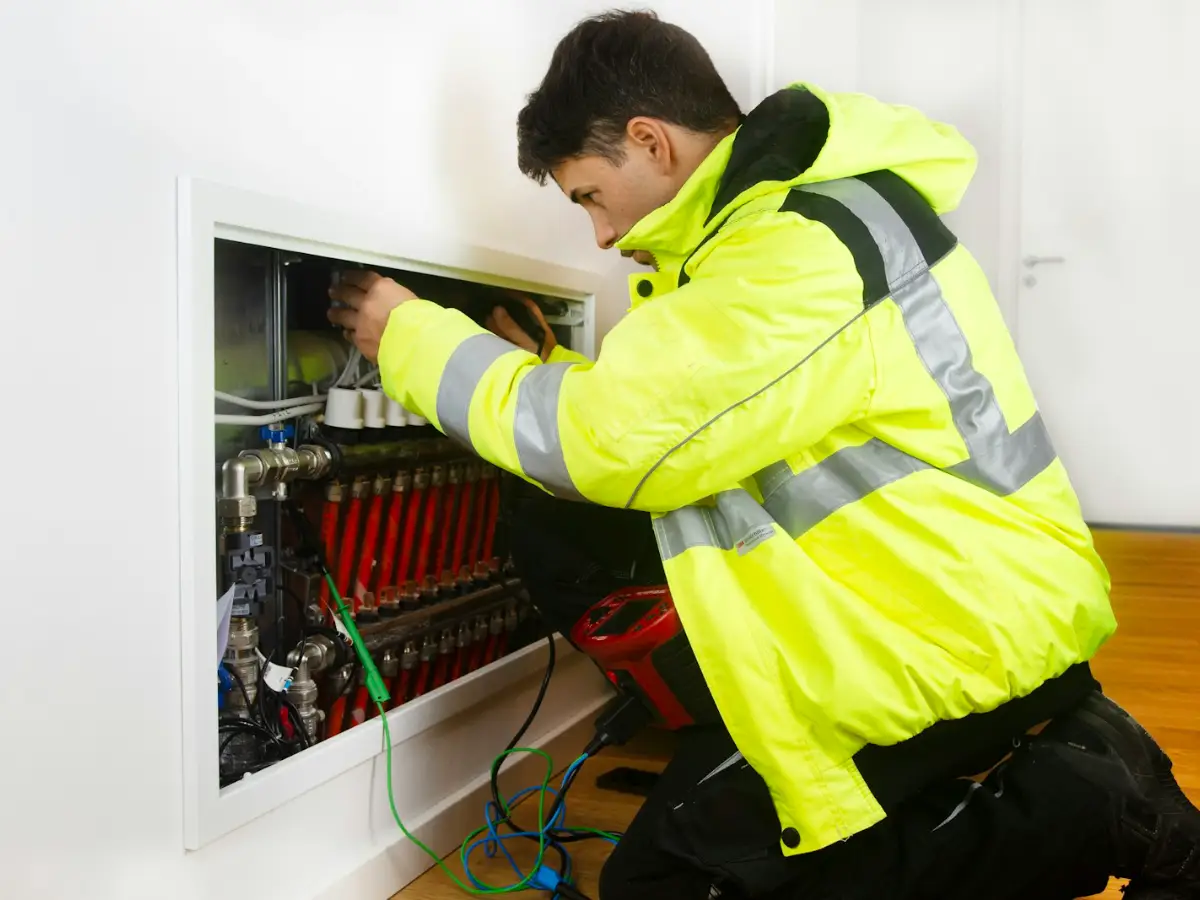
Air conditioning repair means finding why a split, multi-split or ducted system has stopped cooling or heating properly, then fixing that cause. Aircova sends an F-Gas certified engineer to test the electrics, airflow and refrigerant circuit, then quotes a fixed price for the fix before any work starts.
Most faults fall into three groups. Some are simple, such as a clogged filter or a blocked condensate drain. Some are electrical, such as a failed sensor, fan motor or circuit board. The rest involve the refrigerant circuit, which usually means a leak at a pipe joint.
The first two groups are often fixed on the same visit if the part is common. A refrigerant fault needs more care. The law says only a qualified person can open the circuit, and the leak must be found and sealed before any gas goes back in.
If you searched for air conditioning repair near me in London, you will find plenty of firms promising a quick fix. Ask any firm how they price the work, and whether they find leaks before they add gas. Those two answers tell you most of what you need to know.
Quick checks before you call
Some faults turn out to be a setting, a switch or a dirty filter. These checks take ten minutes, cost nothing and are safe to do yourself.
- Put fresh batteries in the remote, and check the display shows the mode you want
- Set the mode to cool or heat, not fan or dry, and set a target a few degrees past the room temperature
- Slide out the indoor filters, rinse them in lukewarm water, let them dry and refit them
- Check the breaker in your consumer unit and the isolator switch next to the outdoor unit
- Clear leaves, bins or covers from around the outdoor unit so air can flow
- In winter, wait 10 to 15 minutes if the unit has paused, as it may be defrosting
Never open the casing or touch the pipe valves. If a check does not fix it, note any blinking lights or codes and contact an air conditioning engineer.
Symptoms and causes
Common air con faults and what causes them
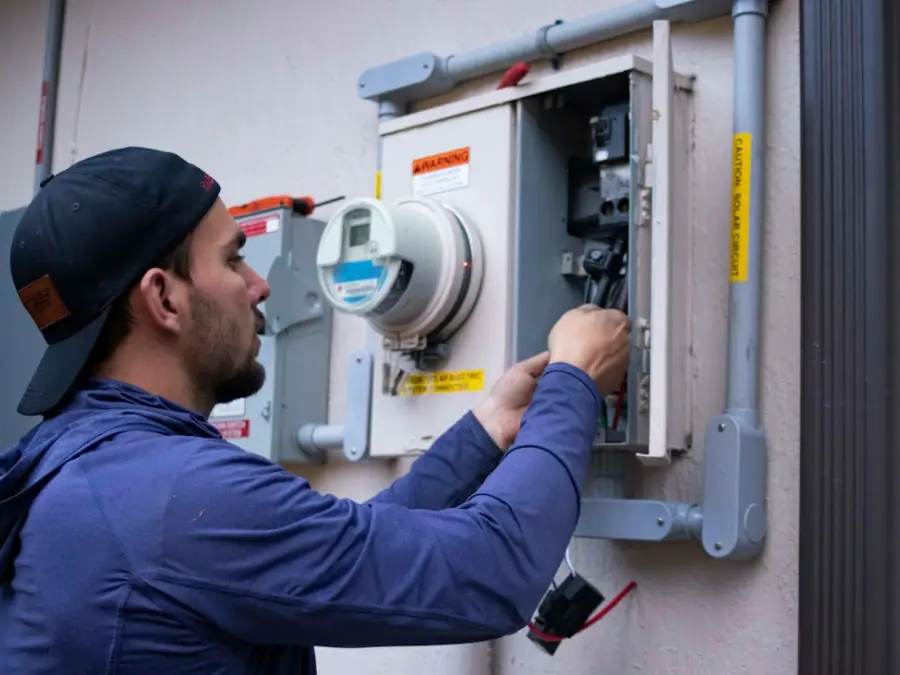
The symptom points to a short list of causes. This table shows what usually sits behind each one, what you can safely check, and how an engineer normally fixes it.
| Symptom | Likely cause | Can you check it yourself? | Typical fix |
|---|---|---|---|
| Not cooling or heating | Wrong mode, dirty filters or low refrigerant from a leak | Yes, check the mode and clean the filters | Leak found and sealed, then a regas |
| Water dripping from the indoor unit | Blocked condensate drain, a kinked hose or an iced coil | Partly, clean the filters and look at the drain outlet | Drain cleared, hose rerouted or pump replaced |
| Ice on the pipes or coil | Low refrigerant or very poor airflow | Only the filters, then switch off to thaw | Leak find and regas, or a fan repair |
| Blinking lights or a fault code | Sensor, fan motor, board or a link fault between units | Note the code and look it up in your manual | Part tested and replaced |
| Will not switch on | Flat remote batteries, a tripped breaker or a failed board | Yes, batteries, breaker and isolator | Electrical tests, fuse or board replaced |
| Rattling, buzzing or clicking | Loose panel, worn fan bearing or a failed mount | Look for loose covers or debris outside | Mounts, fan or bearing replaced |
| Musty smell when it starts | Mould on the filters, coil or drain tray | Yes, clean the filters | Coil and drain tray cleaned as part of a service |
Air conditioning leaking water inside
Your indoor unit pulls moisture out of the air as it cools. That water collects in a tray and runs away through a small condensate drain. If the drain blocks with dust or slime, the tray overflows and water drips down the wall.
A unit fitted slightly off level can do the same, as can a drain hose that kinks or rises on its way out. Where the unit has no fall to the outside, a small condensate pump lifts the water, and a failed pump is a common cause.
Switch the unit off and put a towel under it. A leak only in cooling mode, after weeks of use, usually points to the drain. A leak with ice on the pipes points to low refrigerant, which is a different repair.
Air con not cooling or blowing warm air
Start with the quick checks above, because the mode setting and dirty filters cause many of these calls. If air still comes out warm in cooling mode, check that the outdoor unit fan is turning.
A silent outdoor unit suggests a power, capacitor or board fault. A running unit with weak cooling, ice on the pipes or a hiss near the joints points to a refrigerant leak. Both need an engineer with the right test kit.

Thinking of an air conditioning gas top up? A home split system is sealed, so it does not use up gas. If the refrigerant is low, there is a leak. Adding gas without finding it means paying again within weeks or months. We find and fix the leak first, then regas.
On the day
What happens on an air con repair visit?
We book a time slot with you, and the engineer arrives with gauges, a leak detector and electrical test kit. A multi-split or ducted system takes longer to check than a single wall unit.
- Listen first. We ask what the unit is doing, when it started and which codes or lights you have seen.
- Check the basics. Remote, settings, filters, power supply and the isolator are tested before anything is opened.
- Read the fault data. We read stored codes and test sensors, fans and boards against the maker’s figures.
- Test the refrigerant circuit. Pressures and temperatures are measured, and joints are checked with a leak detector.
- Explain and price. You get the cause in plain words and a fixed price for parts and labour.
- Repair with your agreement. Common faults are often fixed on the day, and parts on order get a return date.
- Test and record. We run the unit in cooling and heating, then leave a written record of the work.
Any work on the refrigerant circuit is regulated. Engineers who repair or leak check equipment holding F gas need the right qualification, and their company needs certification, as the GOV.UK F gas guidance explains. Recovered gas is taken away for recycling, never vented.
We work on systems in houses, flats and loft rooms across the capital. In mansion blocks and converted flats the outdoor unit can sit on a balcony or flat roof, so let us know about access when you book.
Fixed prices
Air conditioning repair prices
We charge a fixed fee for the visit, then quote the repair before any work starts. Prices include VAT and cover London and the South East. Call-out charges across the UK market usually run from £80 to £150.
Diagnostic visit
An engineer finds the fault and gives you a fixed repair price.
from£95
VAT included
- Electrical and control tests
- Stored codes read and checked
- Refrigerant pressures measured
- Written price for parts and labour
Leak find and regas
For R32 systems that have lost cooling or heating power.
from£165
VAT included
- Leak traced with a detector
- Regas only once the leak is fixed
- Nitrogen pressure test and vacuum
- Weighed R32 charge to the maker’s figure
New wall-mounted unit
When a repair no longer makes sense, a like for like swap.
from£2,195
Fitted, VAT included
- 2.5kW single room system
- Old unit removed and recycled
- Up to 3m of pipework
- New manufacturer warranty
What changes the repair price? The part, the brand and access all matter. A fan motor or sensor costs far less than a compressor or main board. Outdoor units on a high wall may need a tower, which we price before booking.
Older systems that run on R410A gas are priced at the visit. For new systems, our air conditioning prices page breaks down every fitted price.
Honest advice
Should you repair or replace your unit?
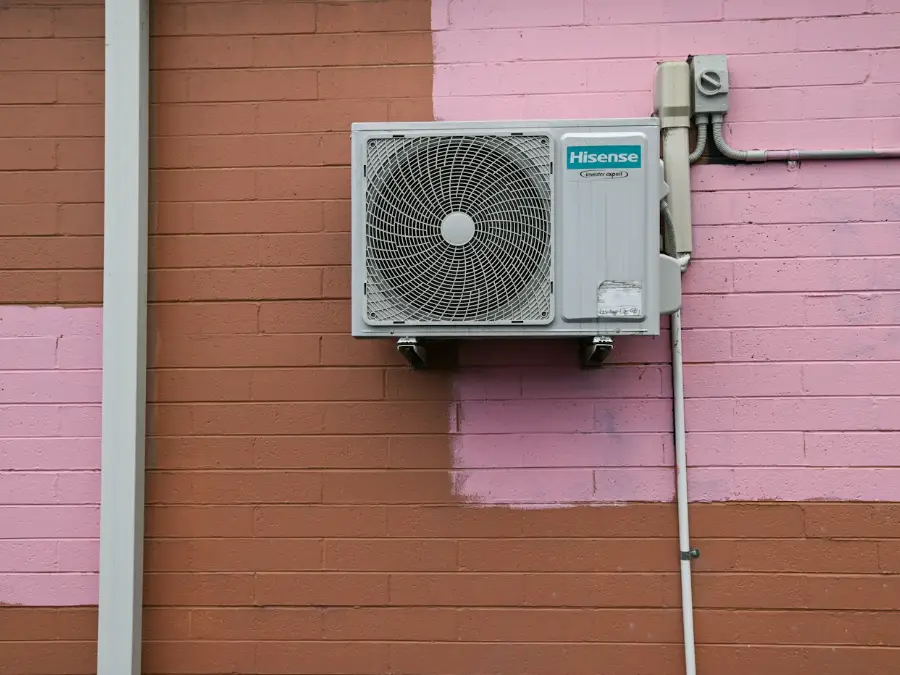
An air con repair is usually the right call for a sensor, fan, drain or single leak. Replacement starts to make sense when the repair is large and the unit is old.
We look at three things before we advise you. The first is the cost of the repair against the price of a new unit. The second is the age of the system and whether its parts are still made. The third is the refrigerant.
Many older units run on R410A. Current models use R32, which has a lower global warming potential and comes in more efficient inverter designs. A modern unit gives about 3 to 4 kW of heat per kW of electricity.
A failed compressor on an old R410A unit, or a second leak in the same year, often tips the sum toward a new system. Our page on replacing an AC unit covers removal, recycling and the swap to R32. If you go ahead, a new wall-mounted unit is often fitted on the same brackets and pipe route.
We will never push you to replace a unit that a fair repair will keep running. If the fix is small, we fix it.
Any make, any installer
Brands we repair and what fault codes mean
We repair systems from every major brand, including units fitted by other companies or by a previous owner. These five are the brands UK installers fit most often.
We also repair Samsung, LG and Hitachi systems, and most other mainstream makes. Tell us the brand and model when you book, so the engineer brings the right data.
Codes and blinking lights
A code is the unit’s way of telling you which part of the system has a problem. Some units show a code such as E1 or U4 on the display or remote. Others blink the operation or timer light a set number of times.
The same code can mean different things on different brands, so a list from another maker will mislead you. Look in your user manual, or download it from the maker’s site, such as the Daikin customer support page.
- Note it
- Write down the code or count the blinks before you reset anything.
- Reset once
- Switching off at the isolator for five minutes can clear a one off fault.
- Call us
- If the code comes back, send it to us with the model number.
Systems we work on
We repair single room splits, multi-split systems with up to five indoor units, and ducted air conditioning hidden in lofts and ceiling voids. Every one of them is also a heat pump in winter.
- Blocked condensate drain
- Failed sensor or fuse
- Dirty coil and filters
- Loose wiring or panels
- Main board or fan motor
- Compressor or valve
- Leak repair and regas
- Ducted unit access work
Servicing to prevent faults
Many breakdowns start as dirt. Clogged filters cut airflow, a slimy drain overflows, and a dirty coil makes the compressor work harder. A yearly air conditioning service cleans these parts and checks the refrigerant pressures, so small problems show up early.
Some ranges also carry a longer manufacturer warranty when the unit is serviced every year. Our warranty and aftercare page explains what each brand asks for.
Areas we cover
Our air conditioning engineers cover London and nearby counties, including Surrey, Kent, Essex and Hertfordshire. We plan parking and access before the visit, which matters in residents’ zones and narrow side returns.
If you need a new system rather than a fix, see our air conditioning installation service, or get an instant quote online.
Aircova, 4th Floor, Great Portland Street, London W1W 5PF. 07403 664179. Monday to Friday 8am to 6pm, Saturday 9am to 5pm.
FAQs
Air conditioning repair FAQs
How much does air conditioning repair cost?
Most repairs start with a diagnostic visit, which costs from £95 with Aircova in London and the South East. Across the UK, call-out fees usually run from £80 to £150. Once the fault is found, we give you a fixed price for parts and labour. An R32 leak find and regas starts from £165. Larger parts such as a main board or compressor cost more, and you agree the price before we start.
Can you just top up the gas in my air conditioning?
No, we do not top up gas without finding the leak first. A home split system is sealed, so the refrigerant should last the life of the unit. Low gas always means a leak somewhere, usually at a flare joint. Adding gas alone only hides the fault for a while. We trace the leak, seal it, pressure test the circuit, pull a vacuum and then weigh in the correct charge.
Why is my air conditioner leaking water inside?
A blocked condensate drain is the most common reason. The indoor unit removes moisture as it cools, and that water must drain outside. Dust and slime can block the drain, or a hose can kink, so the tray overflows. A unit that is off level or a failed condensate pump can do the same. Ice on the pipes as well suggests low refrigerant instead.
Why is my air con running but blowing warm air?
Check the settings first, as a unit in fan, dry or heat mode will not cool. Then clean the filters and check the outdoor unit fan is turning. If the outdoor unit is silent, the cause is often a capacitor, board or power fault. If it runs but cooling is weak, a refrigerant leak is the likely cause, and an engineer needs to test it.
Do you repair air conditioning you did not install?
Yes, we repair systems fitted by any installer, including units that came with your home. We work on all major brands, including Daikin, Mitsubishi Electric, Fujitsu, Toshiba, Panasonic, Samsung, LG and Hitachi. It helps to send a photo of the model label on the indoor and outdoor units when you book. That way the engineer can check parts and fault data before the visit.
What do the fault codes on my air conditioner mean?
A fault code points to the part of the system with a problem, but each brand uses its own codes. A code such as E1 or U4 can mean different things on a Daikin, a Toshiba or a Fujitsu. Some units blink a light a set number of times instead. Check your user manual for the meaning, then send us the code and model number.
Is it worth repairing an old air conditioning unit?
It is usually worth repairing a small fault such as a sensor, fan or drain, whatever the age. For a failed compressor or repeated leaks on an older R410A unit, a new R32 system often makes more sense. We compare the repair price with a new fitted unit, from £2,195, and give you both figures so you can decide.
Will a repair affect my manufacturer warranty?
A repair by an F gas certified air conditioning engineer using the right parts should not affect your warranty. If the unit is still under warranty, contact the company that fitted and registered it first, as the claim normally goes through them. If they have stopped trading or will not help, we can inspect the unit and tell you what the maker is likely to cover.
How long does an air con repair take?
Many repairs are finished on the first visit. A blocked drain, failed sensor or loose connection is often fixed the same day. A leak repair and regas can take half a day, as the circuit must be pressure tested and vacuumed. If a part has to be ordered, we give you a return date and fit it then.
Get your fixed price
Tell us what your unit is doing, the brand and any fault code, and we will call you to book a diagnostic visit. No pressure and no obligation.
- Reply within one working day
- Diagnostic visit from £95
- Repair price agreed before work starts
Prefer to talk? Call 07403 664179
Monday to Friday 8am to 6pm, Saturday 9am to 5pm
We only use your details to prepare your quote. See our privacy policy.