
For businesses Offices, shops, restaurants and clinics
Commercial Air Conditioning Fitted Around Your Trading Hours
Commercial air conditioning keeps staff and customers comfortable, and it heats in winter too. Aircova surveys, fits and maintains systems for small offices, shops, restaurants, salons and surgeries across London and the South East. Every job is priced after a site survey, with a fixed quote in writing.
- F-Gas certified engineers
- Free site survey
- Fixed quote in writing
Prices last checked: October 2026

Who it is for
What does commercial air conditioning cover?
Commercial air conditioning is cooling and heating for business premises, from a single shop unit to a full office floor. Aircova designs, fits and services split, multi-split, cassette, ducted and VRF units for small businesses in London and the South East. You get a fixed written quote after a free site survey.
Business spaces gain heat in ways a home does not. Computers, printers, lighting, cooking and a room full of people all add warmth. Large shop windows and glass partitions let in afternoon sun. A system sized for a home of the same floor area would struggle by July.
Most of our commercial work is small and medium sites. Think a ten desk office above a high street shop, a hair salon or a café. A dental surgery with four treatment rooms is typical too. These sites need commercial thinking on load, access and compliance, but not a large building services firm.
Why the survey comes first
We do not publish fixed commercial prices, because two sites of the same size can need very different systems. A basement café and a top floor office differ in heat load, pipe route, access and noise limits. The survey measures all of this, so the quote you get is the price you pay.
At the survey we look at room sizes, glazing, occupancy, equipment, ceiling type, the outdoor unit position and the electrical supply. We also ask about trading hours, so the fitting plan works around your customers.
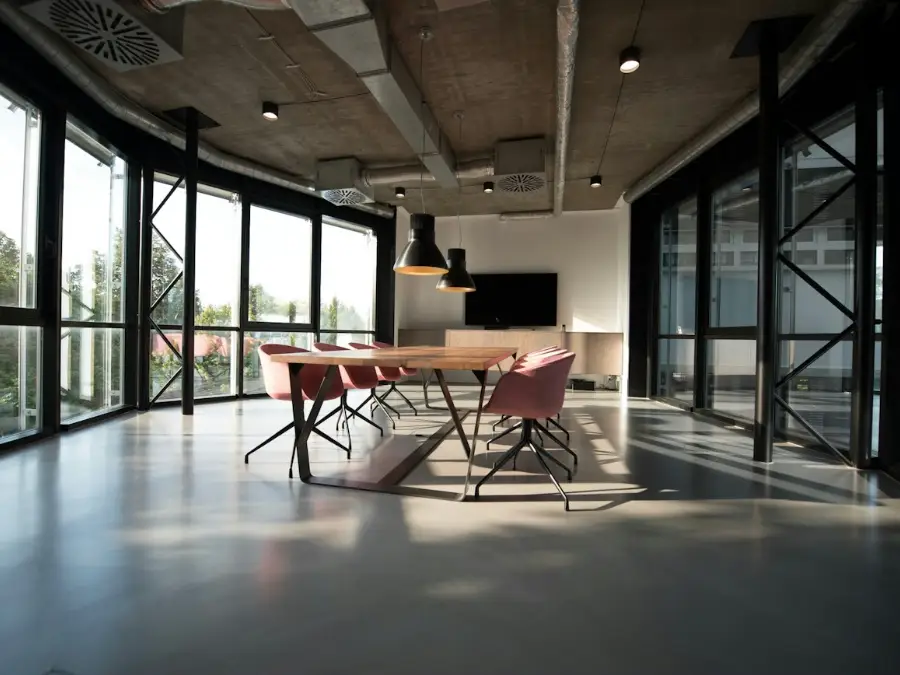
Premises we work in
Offices
Open plan floors and meeting rooms
Open plan areas need even airflow with no cold draughts on desks. Meeting rooms and server cupboards need their own control, as their loads swing through the day.
Shops and showrooms
Glazed frontages and open doors
A south facing shop window adds a lot of heat. An open door lets cool air out. Units are placed to cover the shop floor without blowing on the till.
Restaurants and cafés
Dining rooms next to hot kitchens
Cooking, diners and hot plates make dining rooms warm. Kitchen extract and canopy ventilation is a separate system, so we work alongside your ventilation contractor.
Salons and barbers
Dryers, styling tools and full chairs
Hair dryers and straighteners run all day. A busy salon on a Saturday can feel much warmer than the same room on a Monday, so we size for the peak.
Surgeries and clinics
Treatment rooms and waiting areas
Dental, GP, physio and beauty clinics need quiet units and filters that are easy to clean. Patients and equipment both need steady temperatures.
Mixed use buildings
Shop below, flat above
Many London high streets have a shop with a flat over it. If you own both, the upstairs may suit a home system, covered in our guide to air conditioning for flats.
Systems
Split, cassette, ducted or VRF: which suits your site?
Good commercial air conditioning installation starts with the right system. That depends on the floor area, the ceiling and how many rooms need their own control. We explain the options at the survey and recommend the simplest one that does the job. Bigger is not always better, because an oversized unit cycles on and off and wastes energy.
Single split units
One indoor unit runs from one outdoor unit. This suits a small shop, a salon or a single office room. It is the quickest and cheapest commercial air conditioning installation, often done in a day. Our page on wall-mounted air conditioning explains sizes from 2.5kW to 7.0kW.
Multi-split systems
Two to five indoor units share one outdoor unit, and each one has its own control. This suits a small office with a meeting room and a reception, or a clinic with a few treatment rooms. It also saves space on a crowded rear wall or flat roof. See how multi-split systems are planned.
Ceiling cassettes
A cassette sits flush in the ceiling and blows air four ways from a square panel. Most offices with a suspended ceiling grid suit them well, because the panel replaces one ceiling tile. They spread air evenly over open plan floors and leave walls free for screens, shelving and stock.
Ducted units
The indoor unit hides above the ceiling and feeds slim grilles. Restaurants, boutiques and clinics often choose ducted for the clean look. It needs a ceiling void of roughly 25 to 30cm. Read more about ducted air conditioning and the space it needs.
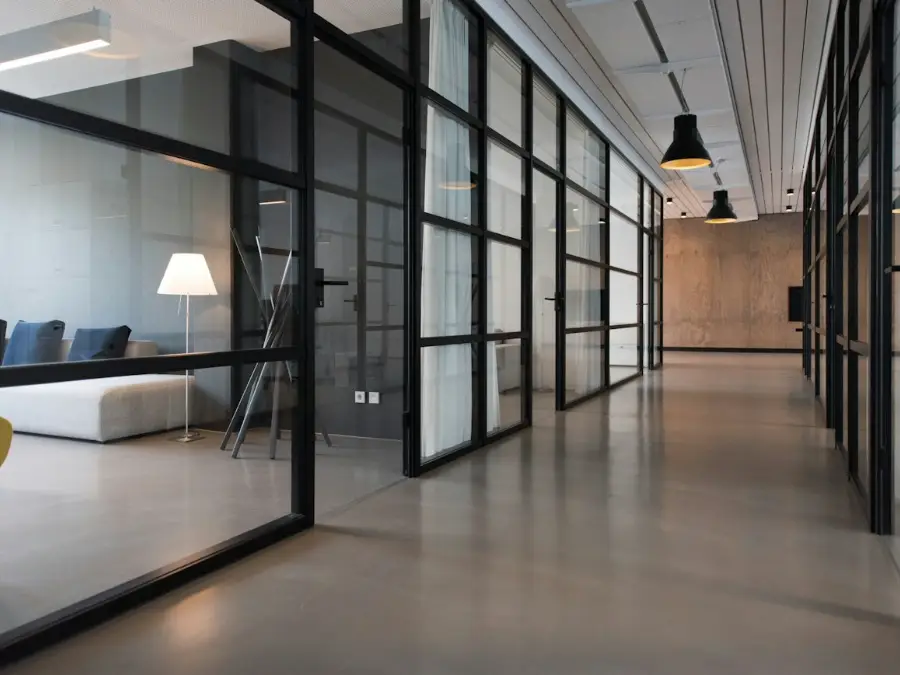
VRF for larger sites
VRF stands for variable refrigerant flow. Daikin calls its version VRV. One outdoor system serves many indoor units across a floor or a whole building, with central controls. Heat recovery versions can cool a sunny side while heating a shaded side, moving heat between them.
This kind of system makes sense for bigger offices, multi floor premises and sites with many zones. They are a design job, with pipe sizing, branch boxes and controls planned on drawings. We are honest about scale. Larger VRF projects are surveyed, designed and quoted one by one. We will also tell you if a simpler multi-split does the same job for less.
| System | Typical site | Indoor units | Look |
|---|---|---|---|
| Single split | Small shop, salon, one office | One | Wall unit, high on the wall |
| Multi-split | Small office, clinic, café | Two to five, each with its own control | Wall, cassette or ducted units mixed |
| Ceiling cassette | Open plan office, showroom | One per zone | Square panel in the ceiling grid |
| Ducted | Restaurant, boutique, reception | One hidden unit per zone | Grilles only |
| VRF or VRV | Larger offices, several floors | Many, on central controls | Any mix of indoor styles |
Every system we fit uses an inverter compressor, which slows down rather than switching off and on. Current single and multi-split units run on R32 refrigerant. We fit Daikin, Mitsubishi Electric, Fujitsu, Toshiba and Panasonic, and Samsung, LG or Hitachi on request. Our Mitsubishi Electric installation page covers one of the most common office brands.
Costs
How much does commercial air conditioning cost?
Every business site is priced after a survey, with a fixed written quote. To help you budget, the ranges below are typical UK market prices from published installer guides in 2026. They are not Aircova prices.
| System | Typical market range | Often used for |
|---|---|---|
| Single wall split | £1,400 to £5,500 | One shop floor, salon or office room |
| Ceiling cassette | £2,400 to £8,500 | Open plan offices and showrooms |
| Multi-split | £6,200 to £14,000 | Several rooms with separate controls |
| VRF, one office floor | £15,000 to £40,000 or more | Larger floors with many zones |
Market ranges are drawn from several UK commercial installer price guides published in 2026. Many quote before VAT, and the spread is wide because sites differ so much. Your written quote is the figure that counts.
What pushes the price up
- Pipe runs
- Long routes to a rear yard or roof add copper, insulation and labour.
- Access
- Scaffold, towers or a cherry picker for upper floors and flat roofs.
- Electrics
- A new supply or distribution board upgrade for larger systems.
- Out of hours
- Evening and weekend work costs more than a weekday install.
What our quote includes
- Equipment
- Indoor units, outdoor units, controls and the brand you choose.
- Fitting
- Pipework, condensate drains, electrical connection and making good.
- Commissioning
- Pressure test, vacuum, refrigerant charge and a written record.
- Paperwork
- Warranty registration and the F gas records you need to keep.
Commercial quotes show the price with and without VAT, so your accountant can see the reclaimable figure. For a feel of what a single room costs in a home setting, our air conditioning cost guide lists fixed residential prices. A small office room often uses the same kit.
Are your premises simple, with one or two rooms and an easy outdoor position? Then you can get an instant quote online to start the conversation. We still confirm the final price at the survey. For a quick size check per room in kW and BTU, try our BTU calculator, then add extra for people and equipment.
Budget tip. Ask for a price on running costs as well as fitting. A unit with a higher SEER cooling rating costs more to buy but less to run over ten years of business hours.
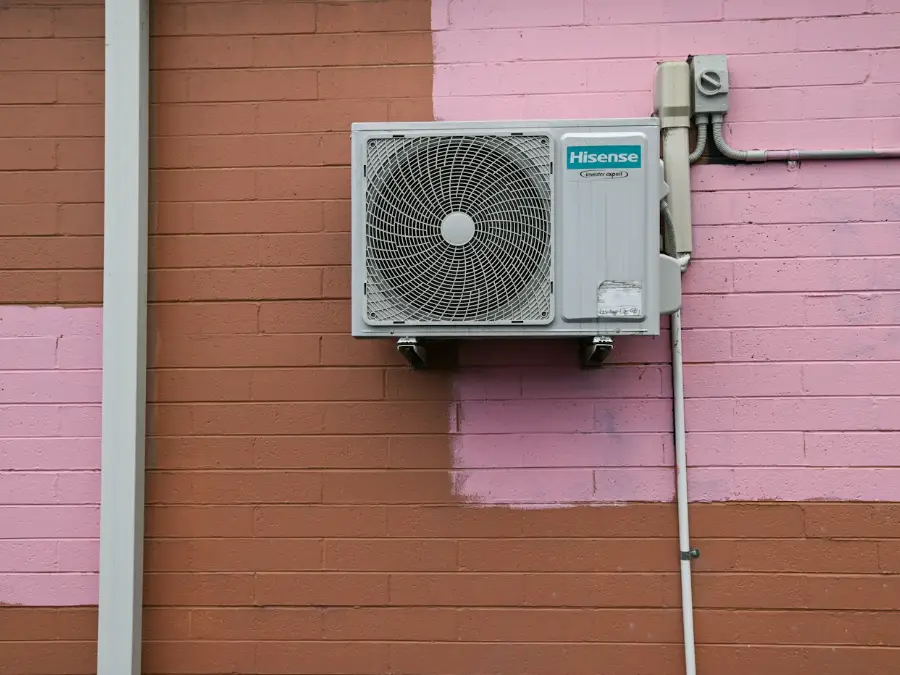
Compliance
TM44 inspections and F gas leak checks
Two sets of rules apply to business air conditioning in England and Wales. One covers energy inspections, known as TM44 inspections. The other covers refrigerant leaks under the F gas rules. Both put the duty on whoever controls the system, which is usually the business or the landlord.
TM44 energy inspections
The government guide to air conditioning inspections says systems with an effective rated output over 12kW must be inspected. Smaller units under one control count together towards that figure. The first inspection is due within five years of the system going into service, then at least every five years.
The inspection must be done by an accredited energy assessor, and the report must be lodged on the national register. We are not assessors, but we give your assessor the system details and carry out the fixes their report recommends.
F gas leak checks
Leak checks depend on how much refrigerant a system holds, measured in tonnes of CO2 equivalent. The GOV.UK leak check guidance sets checks at least every 12 months from 5 tonnes. Above 50 tonnes it is every 6 months, and above 500 tonnes every 3 months. Automatic leak detection can double those gaps.
For R32, 5 tonnes is about 7.4kg of refrigerant. Most single splits hold far less, while larger multi-splits and VRF systems can go over. We work out the figure for your system at handover and add the checks to your maintenance plan.
Installation
How we fit without stopping your business
Commercial AC installation for one or two units usually takes one to two days. A multi-split across three rooms takes two to three days. Larger VRF projects run over several weeks and are phased floor by floor. We agree the plan before we start, so you know which areas are affected and when.
- Site survey. We measure each area, note heat sources and check the outdoor unit spot and power supply.
- Design and written quote. You get unit sizes, positions, pipe routes, the programme and a fixed price.
- Consents. You confirm landlord approval, and we flag where the council may need to be asked.
- First fix. Pipework, cables and condensate drains go in, often out of hours or before opening.
- Units fitted. Indoor and outdoor units go up, with dust sheets down and work areas screened off.
- Commissioning and handover. Pressure test, vacuum, charge, a controls walkthrough for staff and written records.
Out of hours and phased work
Shops and restaurants rarely want engineers on the floor during service. We can fit early in the morning, in the evening or at weekends, and we can split the work into stages. Noisy jobs such as core drilling go in the quietest slot you have.
Landlord and planning consent
Most business premises are leased, so check your lease for a licence for alterations before work starts. Outdoor units on shopfronts, listed buildings and in conservation areas often need consent, so check with your council. Our air conditioning planning permission guide explains the basics.
Neighbours matter too, especially above a shop. Outdoor units run at roughly 45 to 50dB, so we keep them away from bedroom windows where we can. Our guide to the quietest air conditioning units compares indoor and outdoor noise levels.
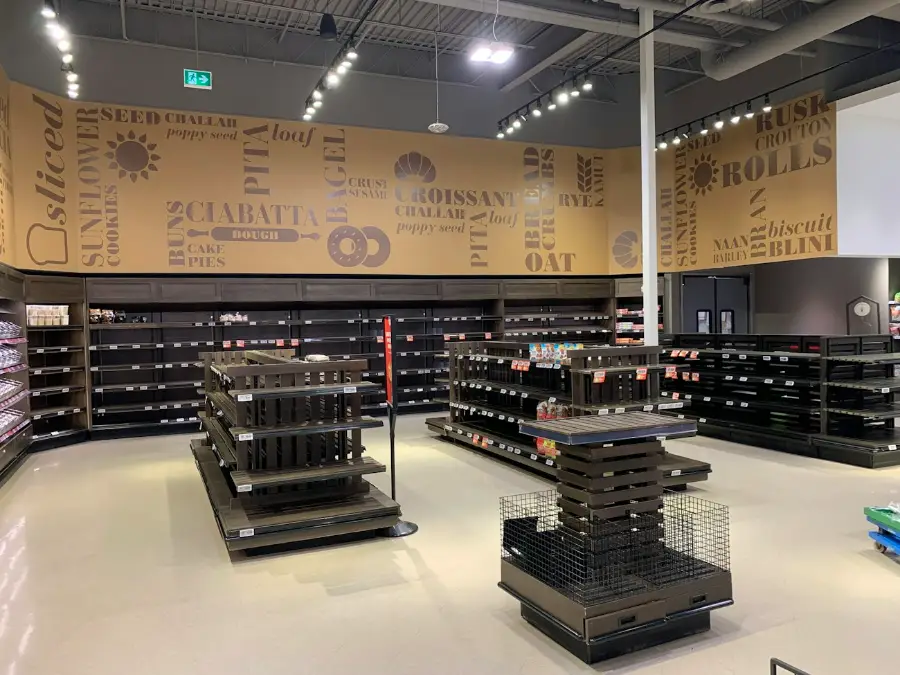
Typical small business projects
Ten desk office above a shop
The office gets hot by mid afternoon from screens and west facing windows. Two ceiling cassettes cover the open plan area and a wall unit cools the meeting room. All three run from one outdoor unit on the flat roof. Each zone has its own controller.
Salon on a busy high street
Dryers run all day and the front door opens often. One ducted unit in the ceiling void feeds two grilles over the styling chairs. The first fix happens on a Sunday and Monday, when the salon is closed.
Aftercare
Planned maintenance, repairs and replacement
Commercial systems work harder than home units, often ten or more hours a day. Dust from shop floors, hair from salons and grease in the air near kitchens all clog filters and coils. Planned maintenance keeps the system efficient and helps keep the manufacturer warranty valid.
Maintenance contracts
We offer maintenance contracts built around your site. A small office might need one visit a year. A restaurant or salon may need two, with filter cleans in between. Each visit covers filters, coils, drains, electrical checks and refrigerant pressures. It includes the leak check where the F gas rules require one.
We keep a written record of every visit, which your TM44 assessor and your insurer may ask to see. The visit checklist is the same one we use for air conditioning servicing in homes, with extra checks for larger systems.
Repairs
When a unit stops cooling in a heatwave, it costs you trade. We diagnose faults, find and fix leaks before any regas, and quote parts and labour before work starts. Our air conditioning repair page explains how a call-out works.
Replacing an old system
Many older commercial systems still run on R22 or R410A. R22 can no longer be used to refill systems, so a leak often means replacement. We recover the old refrigerant and recycle the units. See our air conditioning replacement page for the signs it is time.
Heating as well as cooling
Every split, cassette, ducted and VRF unit we fit can also heat. It works as an air-to-air heat pump, giving about 3 to 4 kW of heat for each kW of electricity. Many small businesses use it to replace old electric panel heaters.
Qualified engineers
Our engineers hold the F gas qualification needed to handle refrigerant, and every system is commissioned and recorded. The same standards apply across all our air conditioning installation work, from a single bedroom unit to a full office floor.
FAQs
Business air conditioning questions
Do I need a TM44 inspection for my air conditioning?
You need one if your system has an effective rated output of more than 12kW, counting smaller units under one control together. The first inspection is due within five years of the system going into service, and then at least every five years. An accredited energy assessor must carry it out and lodge the report. The fixed penalty for not having a report is currently £300.
How much does commercial air conditioning cost?
It depends on the site, so we price every business job after a free survey. Published UK installer guides show a single wall split at about £1,400 to £5,500 and ceiling cassettes at £2,400 to £8,500. VRF for one office floor runs from £15,000 to £40,000 or more. Pipe runs, access, electrics and out of hours work change the figure most.
Can you fit air conditioning while my business stays open?
Yes, in most cases. We can work early, in the evening or at weekends. We can also split the job into stages so only one area is affected at a time. Dusty or noisy tasks, such as drilling through walls, go in your quietest slot. We agree the programme in writing before we start, so staff and customers know what to expect.
How often should commercial air conditioning be serviced?
At least once a year, and twice a year for busy or dusty sites such as restaurants, salons and gyms. Filters may need cleaning every few weeks in summer. Most manufacturers ask for yearly servicing to keep the warranty valid. Larger systems may also need F gas leak checks every 12 months or more often, depending on how much refrigerant they hold.
What is the difference between VRF and multi-split?
A multi-split runs two to five indoor units from one outdoor unit, which suits small offices and clinics. A VRF system runs many more indoor units across a floor or building, with central controls and careful pipe design. Some VRF systems can heat one zone while cooling another. VRF costs more, so we only recommend it when a multi-split cannot cover the site.
Who is responsible for F gas leak checks?
The operator of the system is responsible, which usually means the business or landlord that controls it. Checks are needed at least every 12 months once a system holds 5 tonnes of CO2 equivalent, and more often for larger charges. A certified engineer must do the check. We calculate the figure for your system and add any checks to your maintenance plan.
Do I need landlord or planning consent for a business unit?
Usually you need landlord consent, and sometimes the council’s too. Most commercial leases ask for a licence for alterations before you drill walls or fit outdoor units. Shopfronts, listed buildings and conservation areas often need planning consent, so check with your council early. We give you drawings, unit sizes and noise figures to send with your request.
Can commercial air conditioning heat the building in winter?
Yes, modern split, cassette, ducted and VRF systems all heat as well as cool. They work as air-to-air heat pumps, taking warmth from the outside air. You get about 3 to 4 kW of heat for each kW of electricity. That makes them a good replacement for electric panel heaters in offices, shops and clinics.
Get your fixed price
Tell us about your premises, the rooms you want to cool and your opening hours, and we will arrange a site survey. Floor plans or photos help. No pressure and no obligation.
- Reply within one working day
- Free site survey
- Price confirmed in writing
Prefer to talk? Call 07403 664179
Monday to Friday 8am to 6pm, Saturday 9am to 5pm
We only use your details to prepare your quote. See our privacy policy.