
2026 guide England, Wales and Scotland rules
Air Conditioning Planning Permission, Explained Simply
Air conditioning planning permission is not needed for most single outdoor units on houses in England, as long as the unit also heats and meets the permitted development limits. Flats, listed buildings and conservation areas have stricter rules. We fit across London and the South East and check the planning position before we quote.
- Rules checked against official sources
- Planning position checked at survey
- Fixed price in writing
Last updated: October 2026

The short answer
Do I need planning permission for air conditioning?
Usually not for a house in England. An air-to-air heat pump that heats as well as cools is permitted development if it meets the size, position and noise limits. Flats, listed buildings, conservation areas and cooling-only units can need consent. Aircova checks this for every home before fitting.
Planning law treats most modern split systems as air source heat pumps. The outdoor unit takes heat from outside air in winter and reverses in summer to cool. That matters, because heat pumps on homes have their own set of permitted development rights.
Permitted development means you can do the work without applying to the council. The rights come with limits and conditions. If your install breaks any one of them, it needs a full planning application instead.
Quick answer by home type
| Home | Usual position | What to check |
|---|---|---|
| House, heat pump unit | Permitted development | Size, number of units, wall facing the road, noise |
| House, cooling-only unit | Outside the heat pump rights | Ask your council |
| Flat | Limited rights for the whole block | Council, freeholder and lease |
| Listed building | Not permitted development | Planning and listed building consent |
| Conservation area | Stricter siting rules | Walls facing the road, any article 4 direction |

Permitted development in England
The 2025 air source heat pump planning rules
The rules for heat pumps on homes sit in Class G of Part 14 of the General Permitted Development Order. They changed on 29 May 2025, and the changes made it much easier to fit an outdoor unit on a house.
The limits on a house
- Size
- Outdoor unit up to 1.5 cubic metres.
- Number
- One unit, or two on a detached house.
- Roofs
- Never on a pitched roof. On a flat roof, at least 1m from the edge.
- Front walls
- Not above ground floor on a wall that faces a road.
- Noise
- Must meet the MCS 020(a) standard.
What changed in May 2025
- Unit at least 1m from the boundary
- Up to 0.6 cubic metres
- One unit per home
- Heating use only
- No 1m boundary rule
- Up to 1.5 cubic metres on a house
- Two on a detached house
- Heating and cooling allowed
The Planning Portal heat pump guidance lists the same limits for England. It also says the unit must not be installed within the curtilage of a listed building or on a scheduled monument.
Three conditions apply on top of the limits. The unit must be sited, so far as practicable, to keep its effect on the look of the building and the area low. It must be removed when no longer needed. And it must not be used only for cooling.
The noise test in MCS 020(a)
The outdoor unit is the part that matters for noise. Under MCS 020(a), the installer calculates the sound level 1m outside the nearest door or window to a habitable room in each neighbouring home.
The result must be 37.0 dB(A) or lower, using the manufacturer’s normal sound power figure, not quiet mode. If it is higher, the install is not permitted development. Barriers and a better position can bring the figure down.
The MCS notice on the new rules sets out the 2025 changes, including the end of the 1m boundary rule. Planning Portal says MCS 020(a) is the only standard accepted from 28 May 2026.
A quiet outdoor unit helps you pass the noise test and keeps neighbours happy. Our guide to the quietest air conditioning units compares indoor and outdoor sound levels.
Heat pump or cooling only
Cooling-only units and air-to-air heat pumps
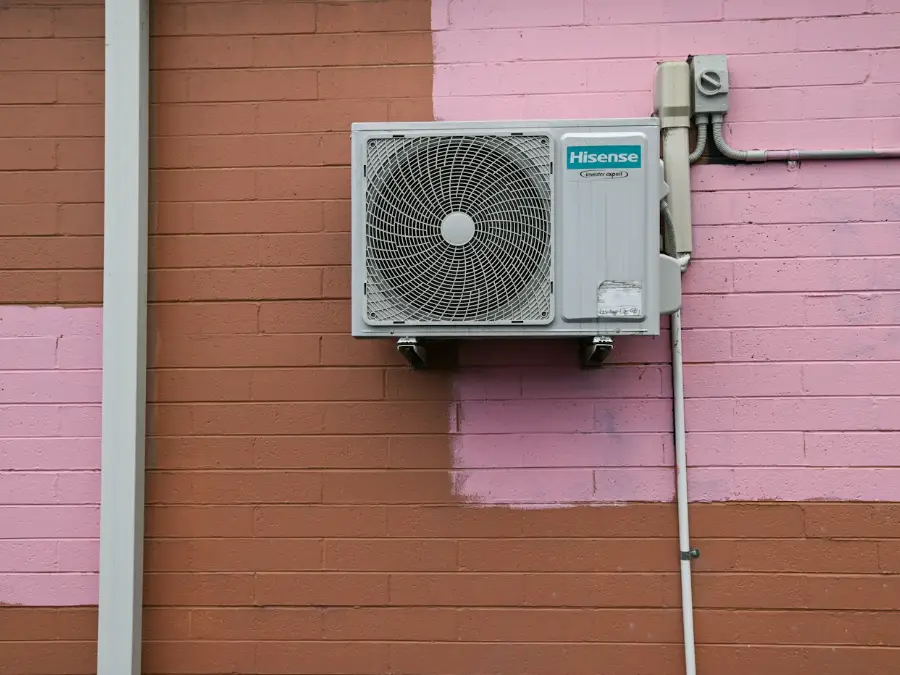
The legal test is how the unit is used. Class G now says the heat pump must not be used solely for cooling. A reverse cycle split system that heats in winter passes. A cooling-only unit does not.
Before May 2025, the condition said the unit had to be used solely for heating. That left air conditioning in a grey area. The new wording brings an air-to-air heat pump that heats and cools inside permitted development.
A cooling-only unit falls outside these heat pump rights. The government says most small home units need no permission if they do not materially change how the building looks. It also says there is no blanket rule, so check with your council.
Nearly every unit we fit is an inverter heat pump with R32 refrigerant and a heating mode. Used for winter heat, the same system may also qualify for the £2,500 heat pump grant if your home meets the scheme rules.
Special cases
Flats, listed buildings and conservation areas
These three cases decide most air conditioning planning permission questions we see. Each has its own rule, and more than one can apply to the same home.
Flats and maisonettes
Class G covers a block of flats, but the allowance is small. Only the first air source heat pump on or within the curtilage of a block is permitted development, and its outdoor unit must be 0.6 cubic metres or less.
So if another flat already has a unit, yours is likely to need planning permission. Your lease may also need the freeholder’s written consent. Our page on air conditioning for flats covers balconies, freeholders and where the outdoor unit can go.
Listed buildings
Permitted development does not apply on a listed building or anywhere in its curtilage, so a planning application is needed. Fixing a unit can also need listed building consent.
The GOV.UK historic environment guidance says works that affect a listed building’s character need consent. Doing them without it is a criminal offence.
Conservation areas and article 4
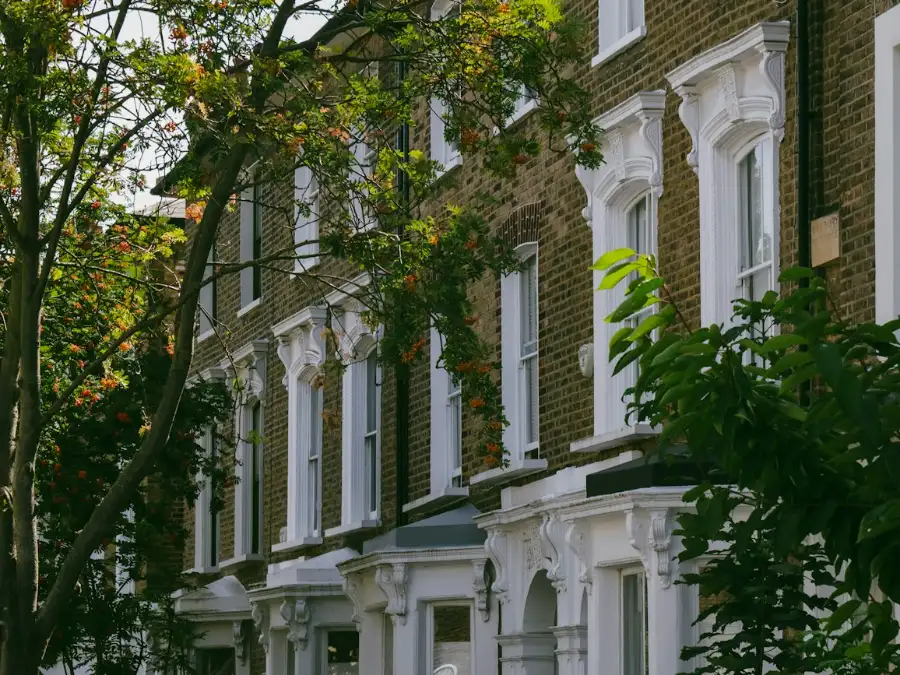
In a conservation area or World Heritage Site, the unit cannot go on a wall or roof that fronts a road. It also cannot sit nearer to the road than the house itself. A rear wall or back garden is the usual answer.
Councils can also remove permitted development rights with an article 4 direction or a condition on an earlier planning permission. Some councils use them in conservation areas, so check with your council before you buy.
London has many conservation areas. See our page on London air conditioning for the areas we cover.
Across the UK
Planning rules in Wales, Scotland and Northern Ireland
Planning is devolved, so the rules above are for England only. We fit in London and the South East, but many readers are elsewhere, so here is what we could confirm.
Wales
Welsh Government guidance, updated in June 2026, now closely matches England. The compressor unit can be up to 1.5 cubic metres and must meet MCS 020(a). A detached home can have two units and other homes one.
Wales also bars cooling-only units, pitched roofs and listed buildings from permitted development. Conservation areas have the same rule about walls facing the road.
Scotland
Scotland has its own permitted development class for domestic heat pumps, Class 6H. It does not apply to listed buildings. In a conservation area, a unit must be at ground floor level on the rear wall.
Northern Ireland
We have not found clear official guidance on air conditioning units for homes in Northern Ireland. Ask your council before you buy.
Our process
How we check air conditioning planning permission
We never fit a unit and leave the planning question to you. These steps are part of every survey for our air conditioning installation service.
- Home type. We confirm if it is a house or flat, and if it is detached.
- Designations. We ask you to check listing, conservation area and article 4 status with your council.
- Position. We pick a spot for the outdoor unit away from walls facing the road.
- Size. We check the outdoor unit volume against the 1.5 or 0.6 cubic metre limit.
- Noise. We run the MCS 020(a) calculation for each neighbouring window or door.
- Paperwork. You get the result in writing with your fixed price.
If your air conditioning planning permission position is unclear, we tell you before you pay anything. We can supply unit sizes, noise data and a site plan for your application.
Pipe runs also shape the planning answer. A longer pipe run lets us put the outdoor unit at the back, away from the street, but extra pipe costs more. Our air conditioning cost guide shows what is included.
A multi-split system also helps, since one outdoor unit can serve two to five rooms. That keeps you within the one unit limit on most houses.
To see a price for your rooms now, get an instant quote and we will book a survey.

FAQs
Planning permission questions
Is air conditioning permitted development in England?
Yes, in most cases, if the unit is an air source heat pump that is not used only for cooling. Since 29 May 2025, a house can have one outdoor unit up to 1.5 cubic metres, or two on a detached house. The unit must meet MCS 020(a) noise rules and must not sit above ground floor on a wall facing a road.
Does an air-to-air heat pump need planning permission?
Not usually on a house in England. An air-to-air heat pump that heats your home is covered by the Class G rights for air source heat pumps. It still has to meet the size, number, position and noise limits. A listed building, an article 4 direction or a flat can change the answer, so check with your council in those cases.
Can I put an air conditioning unit on the front of my house?
Only at ground floor level in most areas. On a wall that faces a road, a unit above the ground floor is not permitted development. In a conservation area, no unit can go on a wall or roof facing a road, or nearer the road than the house. The back or side of the home is usually the better place.
Do I need planning permission for air conditioning in a flat?
Often, yes. Permitted development allows only the first air source heat pump on a block of flats, with an outdoor unit of 0.6 cubic metres or less. If another flat already has one, yours will likely need an application. You will usually need the freeholder’s consent under your lease as well, so ask them early.
Can I install air conditioning in a listed building?
Possibly, but not without consent. Permitted development does not apply to listed buildings, so you need planning permission. Works that affect the building’s character also need listed building consent, and doing them without it is a criminal offence. A discreet spot at the rear, with pipes run through less sensitive parts of the building, helps your case.
How loud can an outdoor unit be without planning permission?
No more than 37.0 dB(A) at the assessment position, under MCS 020(a). That position is 1m outside the nearest door or window to a habitable room of each neighbouring home. The installer must use the unit’s normal sound figure, not quiet mode. Distance, walls and barriers all help bring the level down.
What happens if I fit air conditioning without permission when I needed it?
The council can ask you to apply for permission afterwards. If it refuses, it can take enforcement action, which may mean moving or removing the unit. Works to a listed building without consent are a criminal offence. A missing approval can also come up when you sell, so it is worth checking first.
Should I get a lawful development certificate?
It is optional, but useful if you want proof. A lawful development certificate is a formal decision from your council that the work is permitted development. It is not required for a normal install on a house. Some owners apply when the position is borderline, or to have the paperwork ready for a future sale.
Get your fixed price
Tell us about your home and where you would like the outdoor unit. We will call you with a fixed price and tell you plainly if planning permission or other consent looks likely. No pressure and no obligation.
- Reply within one working day
- Free home survey
- Price confirmed in writing
Prefer to talk? Call 07403 664179
Monday to Friday 8am to 6pm, Saturday 9am to 5pm
We only use your details to prepare your quote. See our privacy policy.